
3D Printing News
Latest 3D printing news, technology developments and industry analysis
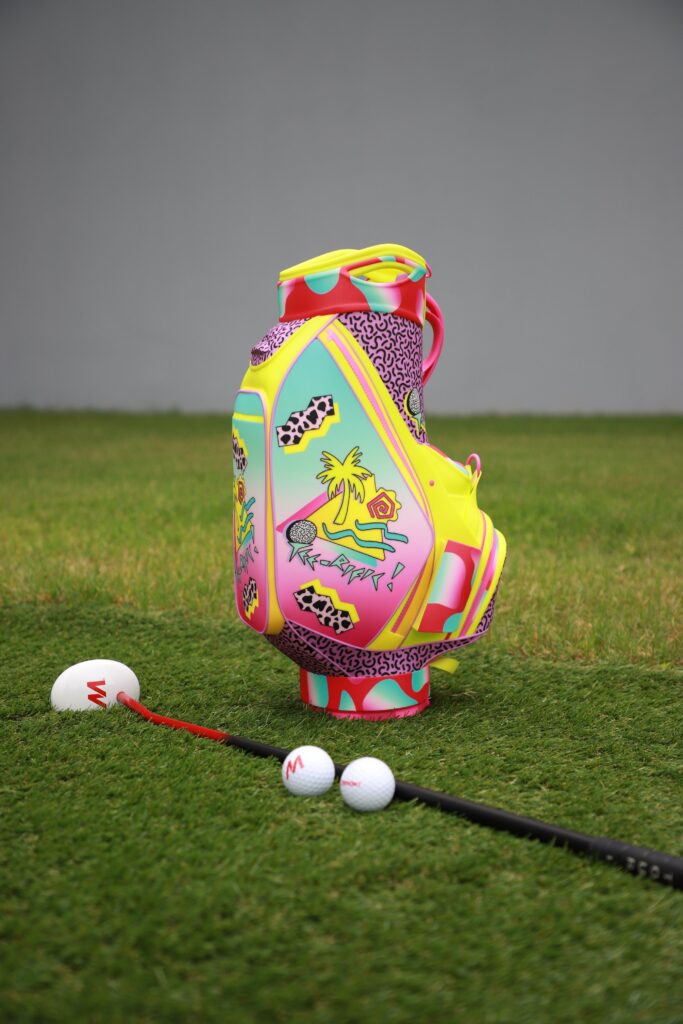
Mimaki & Cleeks Golf Club Collaborate for Miniature 3D Printed Golf Bag Collectibles
Japan-headquartered Mimaki Engineering launched its first full-color inkjet printer in 1996. Not long after, the company established its US-based Mimaki Inc. operating entity, which manufactures digital printing and cutting products, including industrial inkjet printers. Mimaki USA installed its first 3D printer, the 3DUJ-553, in the Americas in 2018. Since then, the full-color printer has been used to fabricate everything from artwork to gaming collectibles and even sports miniatures. Recently, Mimaki partnered with the Crewe Alexandra football club to make a 3D printed miniature of the club captain. Now, it’s 3D printing a series of full-color, highly detailed, miniature golf bag collectibles through an exclusive collaboration with Cleeks Golf Club, a professional, franchise-based team. These limited edition prints are from the club’s Art of Golf cultural series: a collection of artist-designed golf bags used by Cleeks’ professional golfers during the 2026 LIV Golf
Beehive Industries Buys Two Cincinnati Machine Shops
US-based propulsion manufacturer Beehive Industries has acquired the assets of Able Tool Corporation and its subsidiary Planet Products Corporation, two precision machine shops in the Greater Cincinnati area. The deal lands as the company’s Frenzy engine moves into full-rate production, following a year of ground and high-altitude testing of the Frenzy 8 and a $29.7…

3D Printing News Briefs, July 4, 2026: AMUG, Metacrystals, Coral Reefs, & More
We’re starting this 4th of July 3D Printing News Briefs with some AMUG news, and then moving on to business with DSH Technologies and materials with Markforged. We’ll end with some interesting 6G research and 3D printed coral reefs in India. AMUG Announces Board of Directors for 2026-2027 Term AMUG’s newly elected and appointed board members: Top row (from left)—Dallas Martin, Daniel Landgraf, and Daniel Braley; bottom row (from left)—David Leigh and Bruce LeMaster. The Additive Manufacturing Users Group (AMUG) announced the results of the recent board elections and appointments for the 2026-2027 term. After three years of service, current AMUG President Shannon VanDeren and Treasurer Robin Van Bragt will assume ex officio roles on the board, as Immediate Past President and Immediate Past Treasurer, respectively. William “Dallas” Martin was elected President, Daniel Landgraf was elected Vice President, and Daniel Braley was elected Director of Membership
Australian SMEs Offered up to AU$75,000 in Co-Funding to Test Additive Manufacturing
Australia’s Additive Manufacturing Cooperative Research Centre (AMCRC) has unveiled its STARTER Project Funding Program, a AU$3.25 million (approx. US$2.25 million) initiative announced in Melbourne on 1 July 2026 aimed at accelerating additive manufacturing uptake among Australian small and medium-sized enterprises and start-ups. The scheme pairs dollar-for-dollar matched funding with access to the centre’s national research…
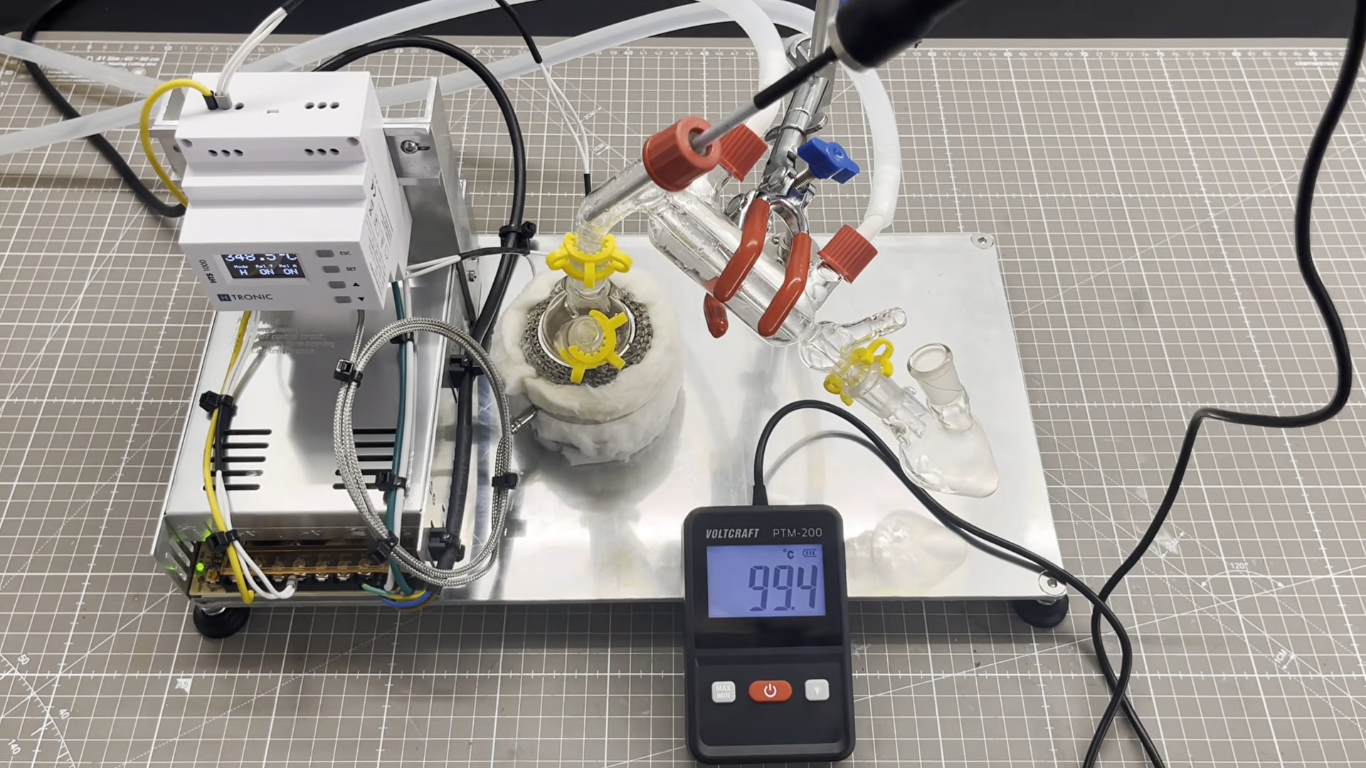
Microdistillery for Microchemistry
Much like radio operators being encouraged to use the least possible amount of power to make a contact, chemists have a similar rule encouraging using the least amount of materials in experiments. Not only is this rooted in economics, but in safety as well; if something goes wrong it’s generally good if there’s not excess amounts of reactants. With modern techniques, though, it’s possible to bring experimental chemistry down to incredibly small scales, and [Marb’s lab] found that they needed a custom built still for these new, diminutive experiments. The first step is to build the heating component of the still. This is provided with a few custom aluminum parts for the base and a pair of heaters originally meant for 3D printers, with the assembled unit wrapped in insulation. The heater accomodates a 25 mL round-bottom flask. Temperature control of the heating mantle is provided by a controller mounted to a DIN rail which receives power from a 24V power supply,
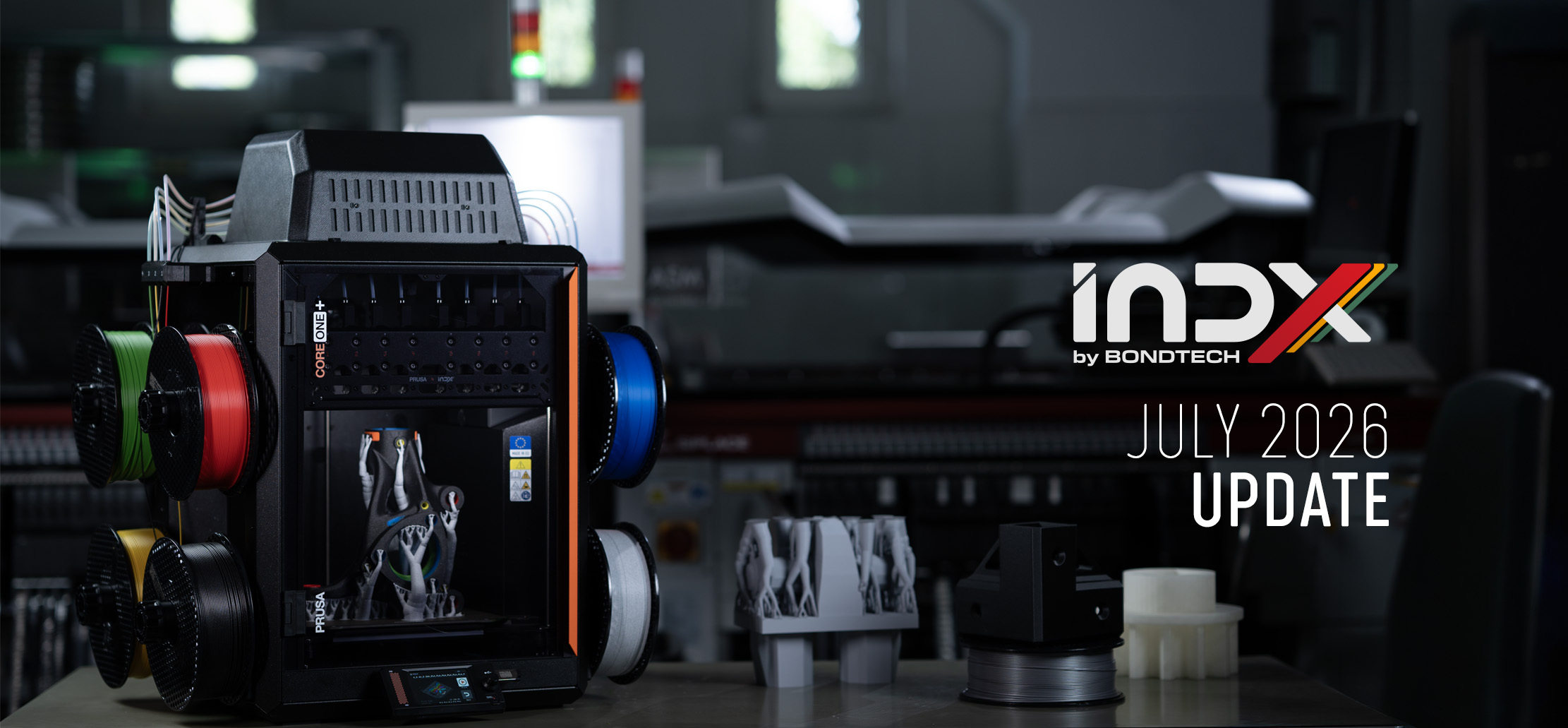
State of INDX – July 2026 Update: Founder’s Edition Shipping + What’s Next
The Bondtech INDX Founder’s Edition is out in the wild - huge congrats to our friends from Bondtech! :-) With that milestone behind us, we’re moving to the next phase: shipping the “standard” INDX Conversion Kit for CORE One/+. Since the Founder’s... The post State of INDX – July 2026 Update: Founder’s Edition Shipping + What’s Next appeared first on Original Prusa 3D Printers.
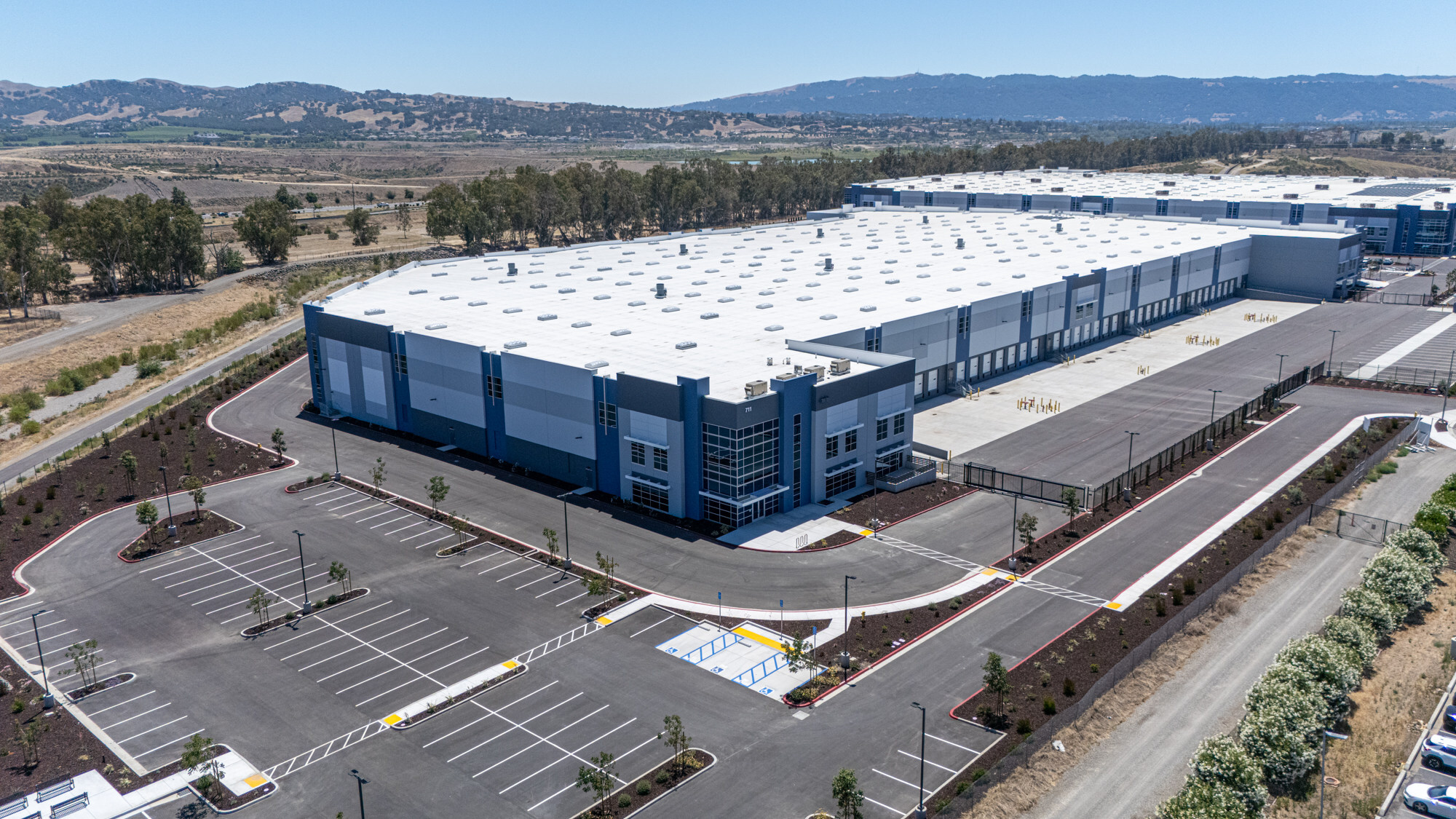
Velo3D Doubles Down on Domestic Manufacturing with Massive Expansion
Metal additive manufacturing company Velo3D has unveiled plans for a 288,747-square-foot production campus in Livermore, California, positioning the site as its future manufacturing hub. The project ranks among the largest metal 3D printing facility developments on the continent and is scheduled to come online before the end of 2026. The firm will retain its current…
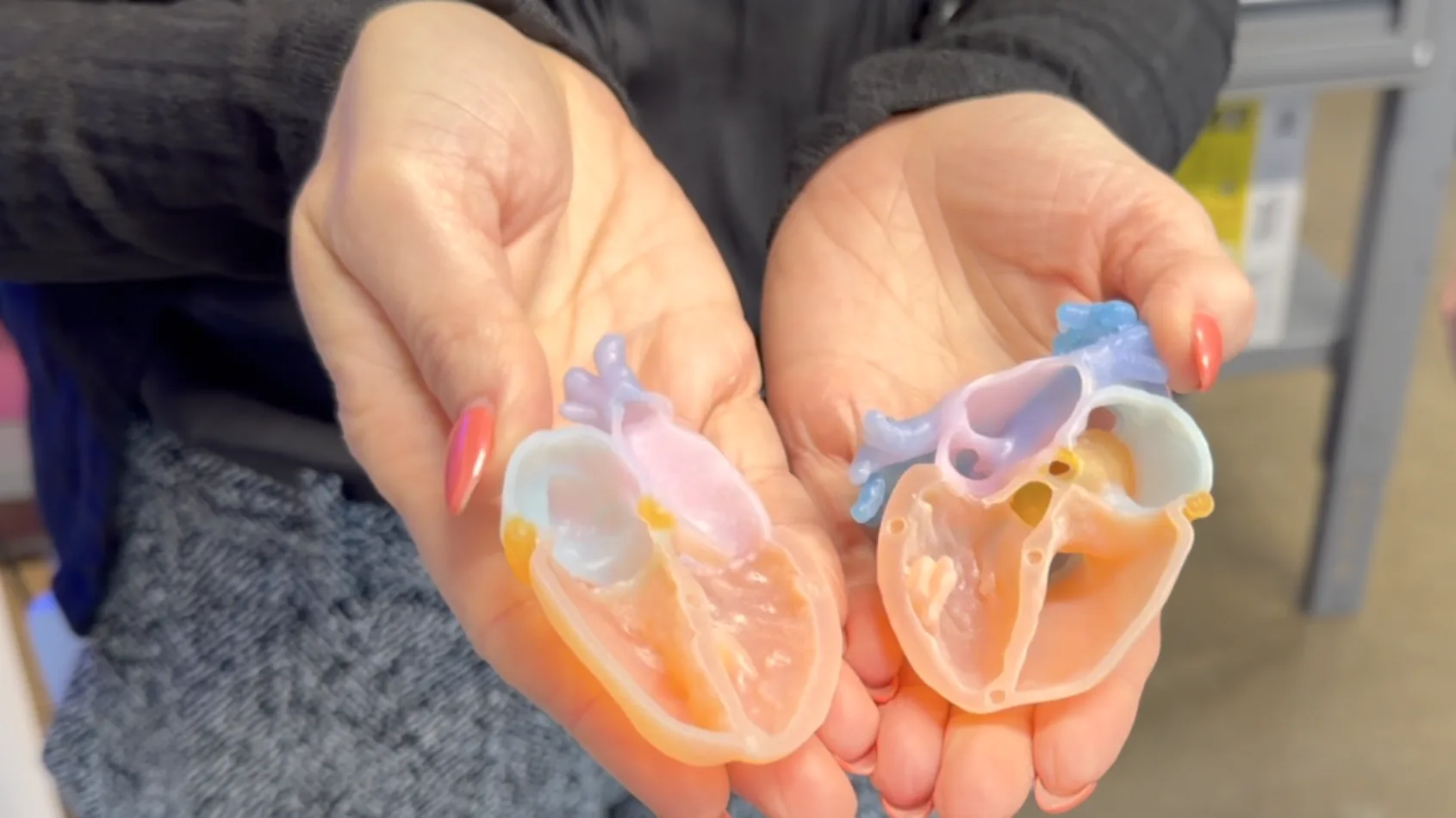
IU Health Brings 3D Printed Surgical Models In-House
Nonprofit healthcare system located in the U.S. Indiana University Health has officially opened its upgraded 3D Print Studio at the 16 Tech Innovation District, marking the occasion with a ceremonial ribbon cutting. The facility gives IU Health clinical teams the ability to produce anatomical models tailored to individual patients, supporting more accurate diagnoses and more…
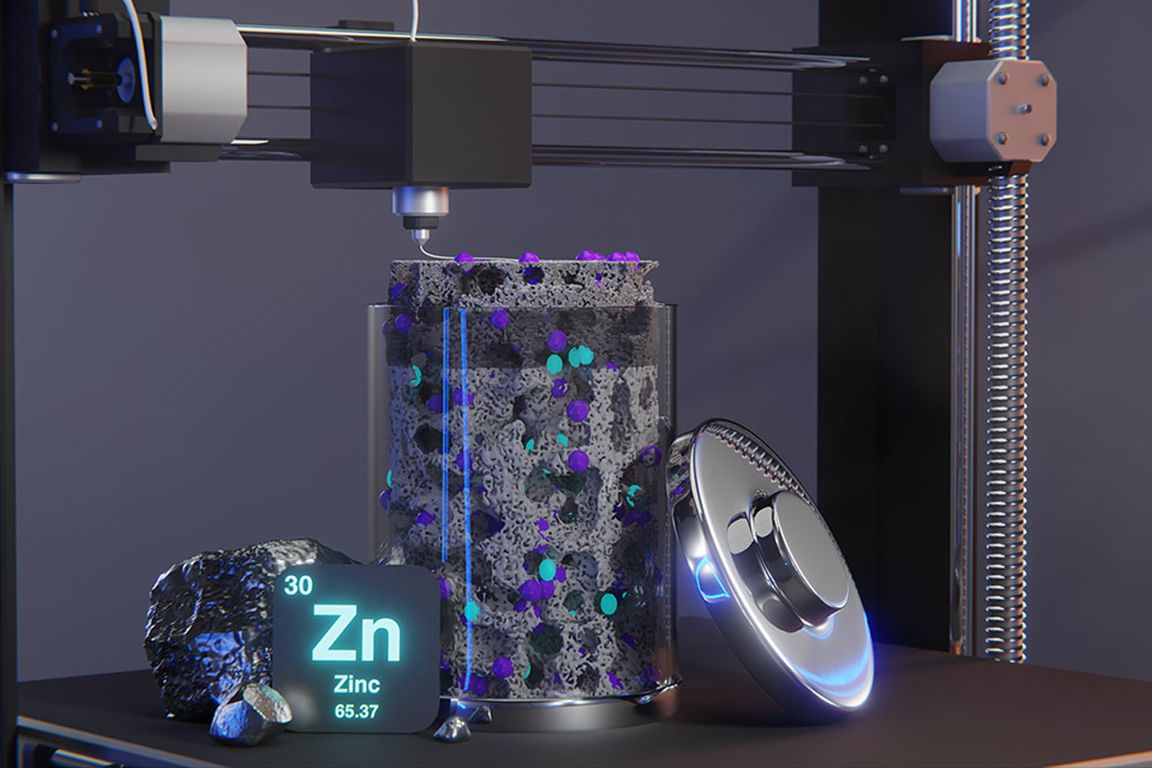
UCLA 3D Prints Zinc-Ion Battery With Seven Times More Energy
Just days after researchers at the California Institute of Technology unveiled a 3D printed design for lithium-ion batteries, another university team has announced a different battery breakthrough using additive manufacturing (AM). This time, researchers at the University of California, Los Angeles (UCLA) developed a 3D printed hybrid zinc-ion battery that can store more than seven times as much energy as similar devices. The team says the technology could one day help store electricity from renewable energy sources such as solar and wind power. Unlike traditional lithium-ion batteries, the hybrid zinc-ion battery combines features of both batteries and supercapacitors, allowing it to store large amounts of energy while delivering it quickly. These batteries use zinc, a material that is cheaper, easier to find, and typically considered safer. That has made them a promising option for storing renewable energy, where cost and safety are usually more important than keeping batteries sma
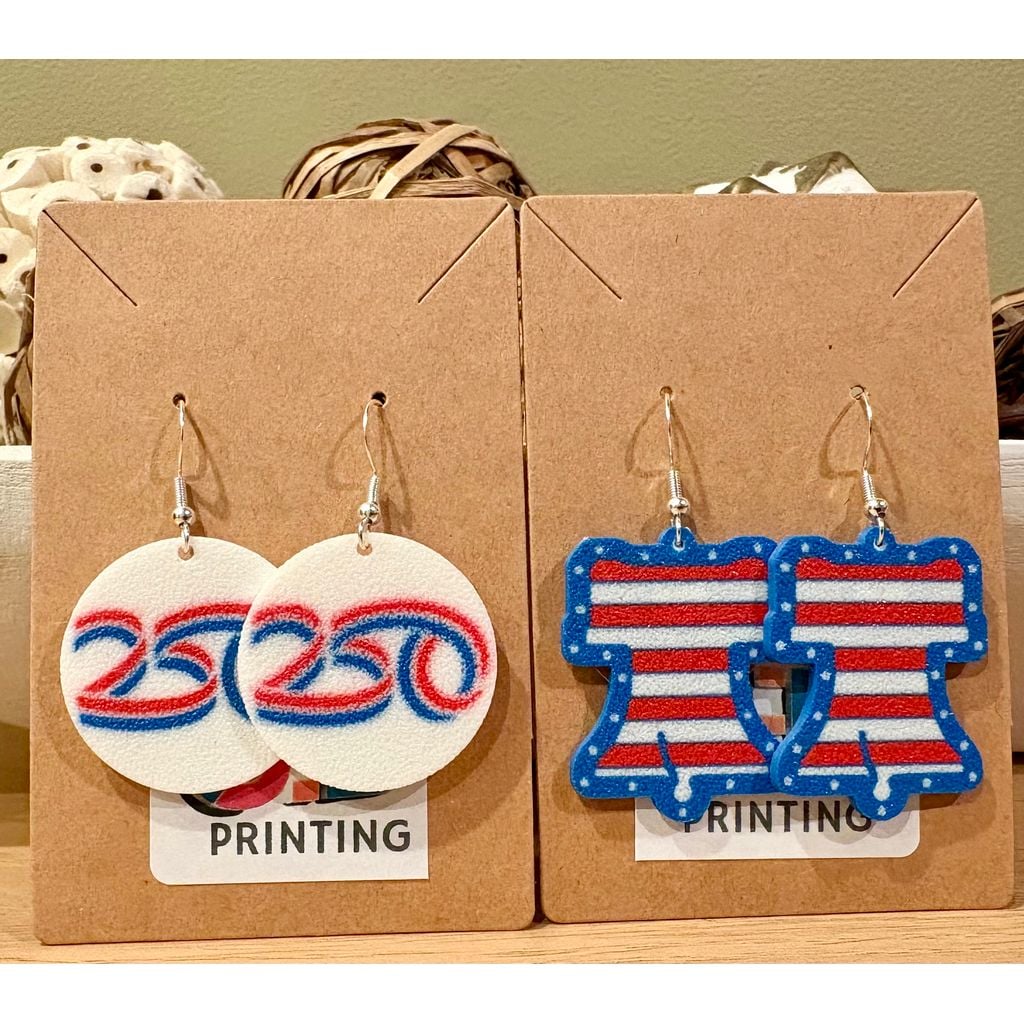
Red, White, and Blue: Star-Spangled 3D Prints to Celebrate America’s 250th Birthday
I often do roundups of free 3D printed models for holidays, like Christmas, Halloween, and even the 4th of July, which all of America will celebrate tomorrow. Because I’ve written so many of these over the years, I sometimes have a hard time coming up with catchy titles, which obviously you need for articles like this one. I was not feeling very creative today, so I asked my husband if he had any ideas. He suggested “Party Your Prints Off,” which I thought was funny but too generic, though certainly in line with all the “‘Murica!” cookouts to come this weekend. While I ultimately went another way, “Declare Your 3D-Pendence” was definitely my favorite of his suggestions. But no matter the title, 3D printing is a great way to celebrate Independence Day! 4th of July patriotic earrings I love these patriotic earrings by Thingiverse user ddubya3187! If you check his profile, you can see several of his other earring designs as well. The 3MF
German Machine Tool Orders Rise 15 Percent Amid Cautious Optimism
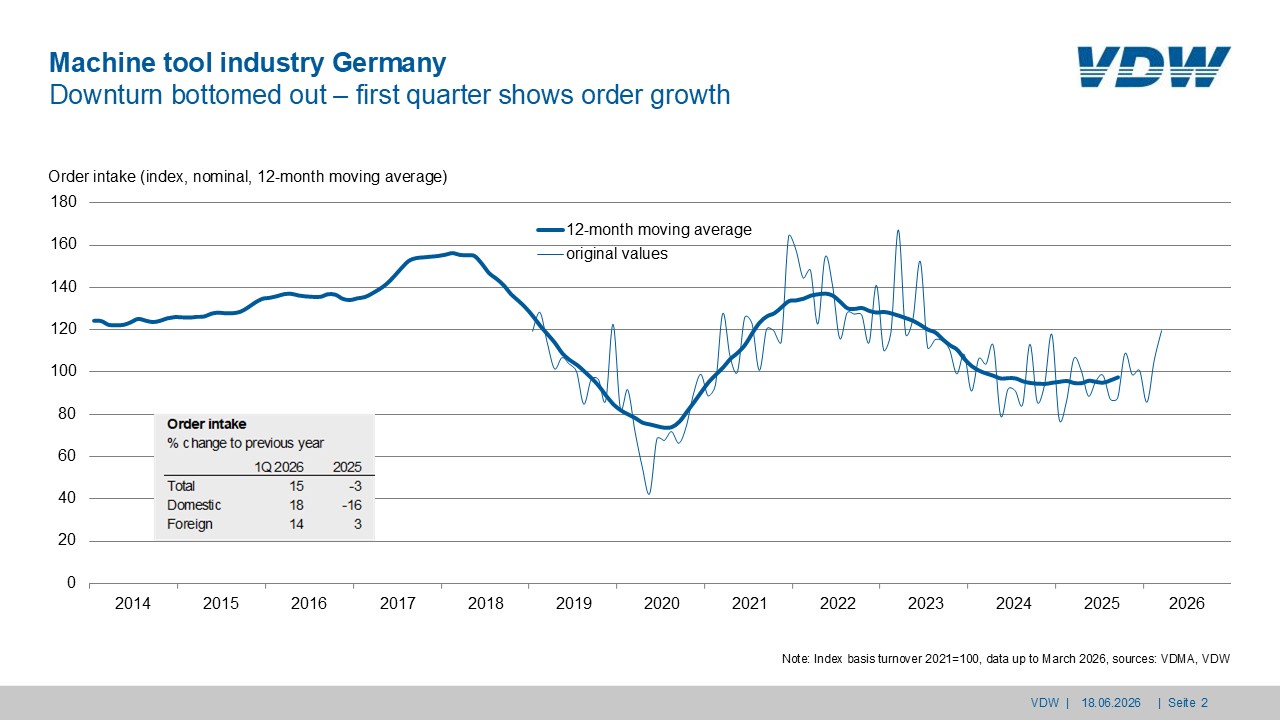
Germany’s machine tool industry recorded a 15 percent increase in incoming orders during Q1 2026, according to the German Machine Tool Builders’ Association (VDW). The uptick follows three consecutive years of decline for the sector, though production, exports, and employment all continued to fall over the same period. “The situation appears to have bottomed out…
SDU Explores Cutting Chemical Use in Metal Recycling for Additive Manufacturing
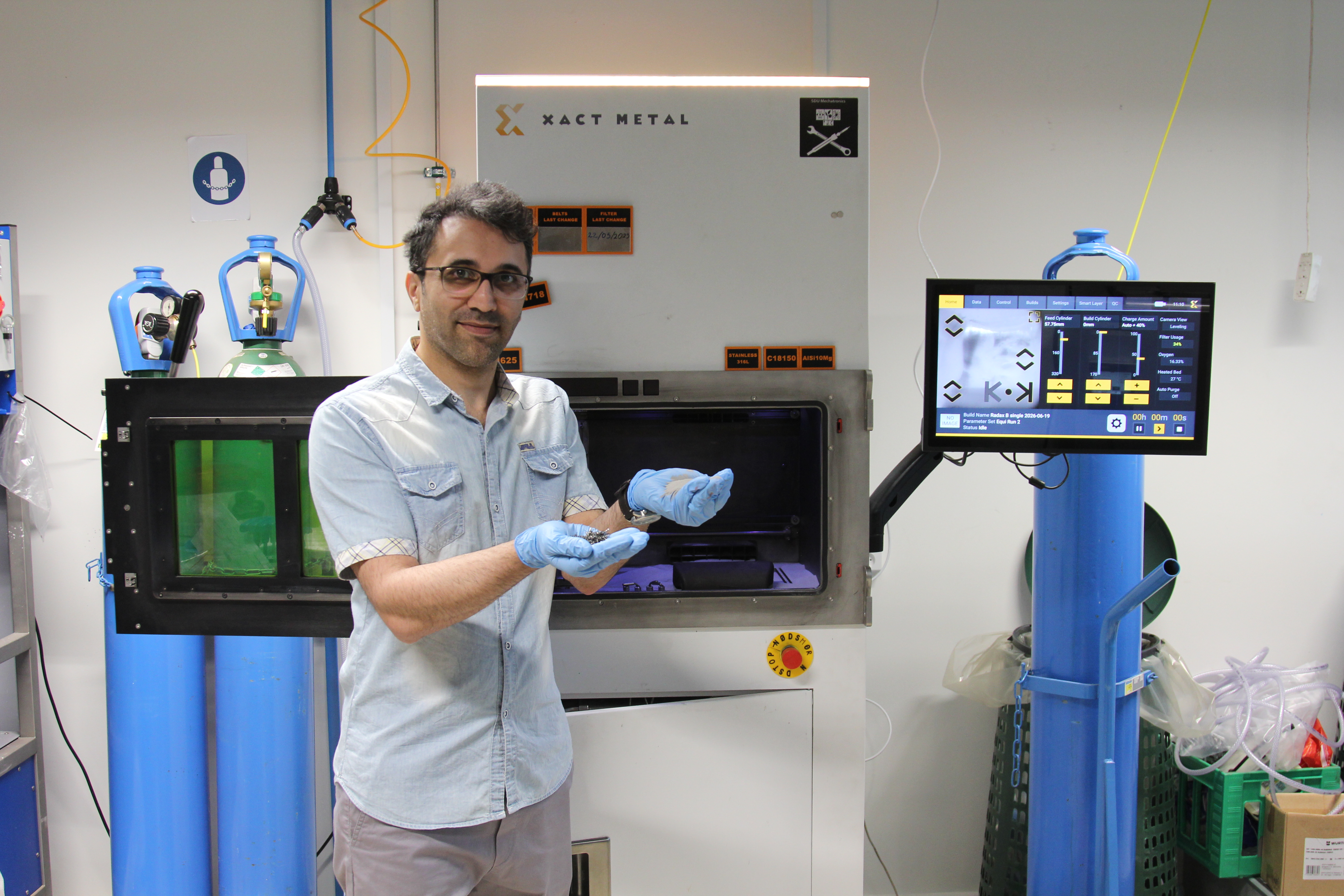
Associate Professor Mohammad Malekan of the Institute of Mechanical and Electrical Engineering at the University of Southern Denmark (SDU) has secured a Sapere Aude Research Leader grant from Independent Research Fund Denmark to explore whether contaminated metal by-products from industry can feed directly into advanced metal 3D printing. Manufacturing operations across Europe produce vast volumes…
Dassault Systèmes Opens 16th AAKRUTI Competition to Innovators Globally
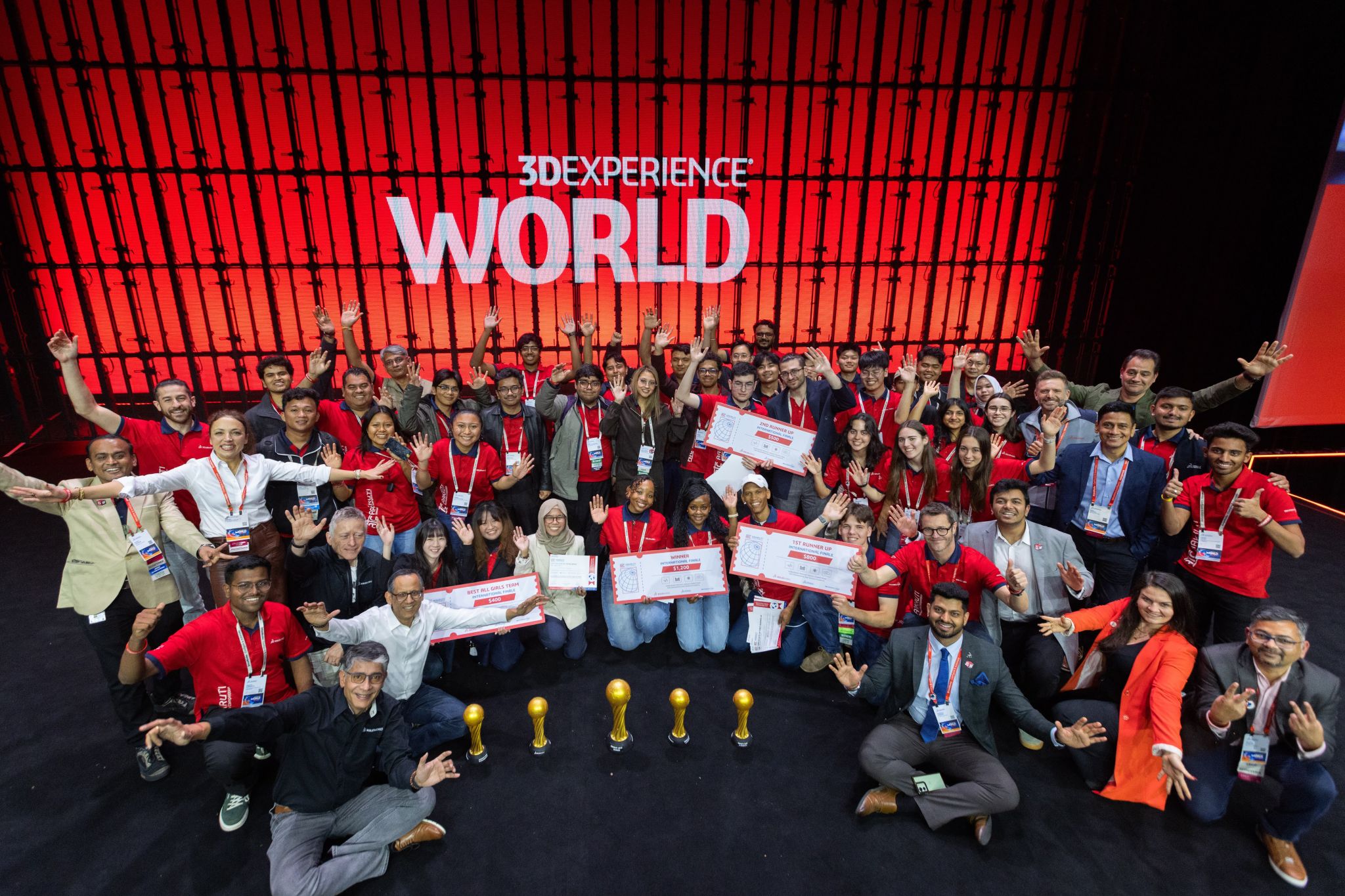
French multinational software company Dassault Systèmes has kicked off the 16th edition of AAKRUTI, its international design and innovation contest for students. The 2026–27 cycle asks participants to develop projects within four thematic tracks chosen to mirror pressing worldwide concerns: robotics, challenges facing local communities, healthcare, and mobility. Entrants are expected to apply engineering fundamentals…
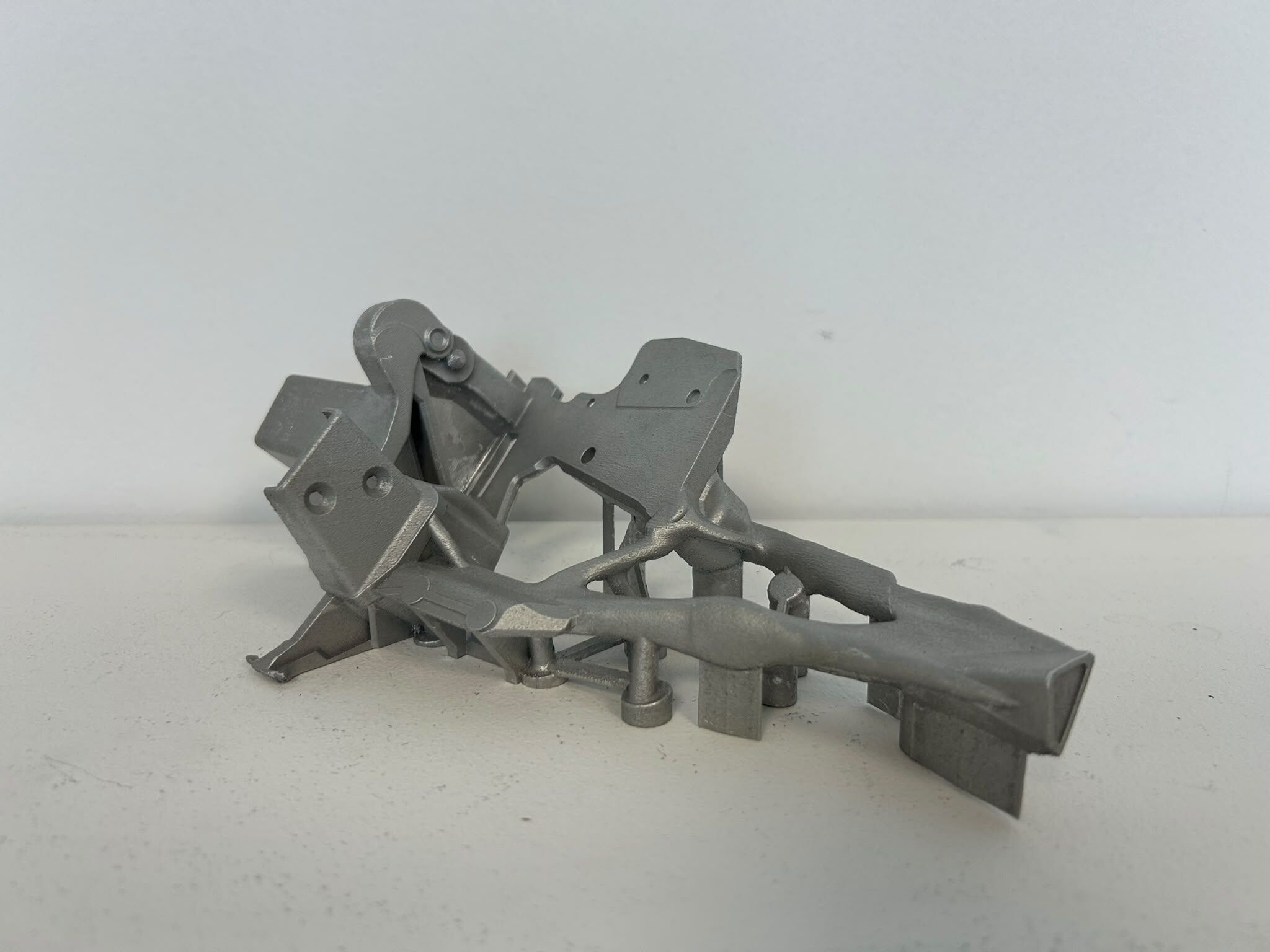
Valland’s ToZero Project Turns Scrap Into 3D Printable Metal
Italian additive manufacturer Valland, together with the Politecnico di Torino, the Politecnico di Bari, and the Fontana Group, has confirmed under Italy’s Accordi per l’Innovazione-backed ToZero project that recycled automotive aluminum scrap can be turned into powder suitable for laser powder bed fusion (LPBF), cutting a demonstrator part’s carbon footprint, though a lingering print-speed gap…
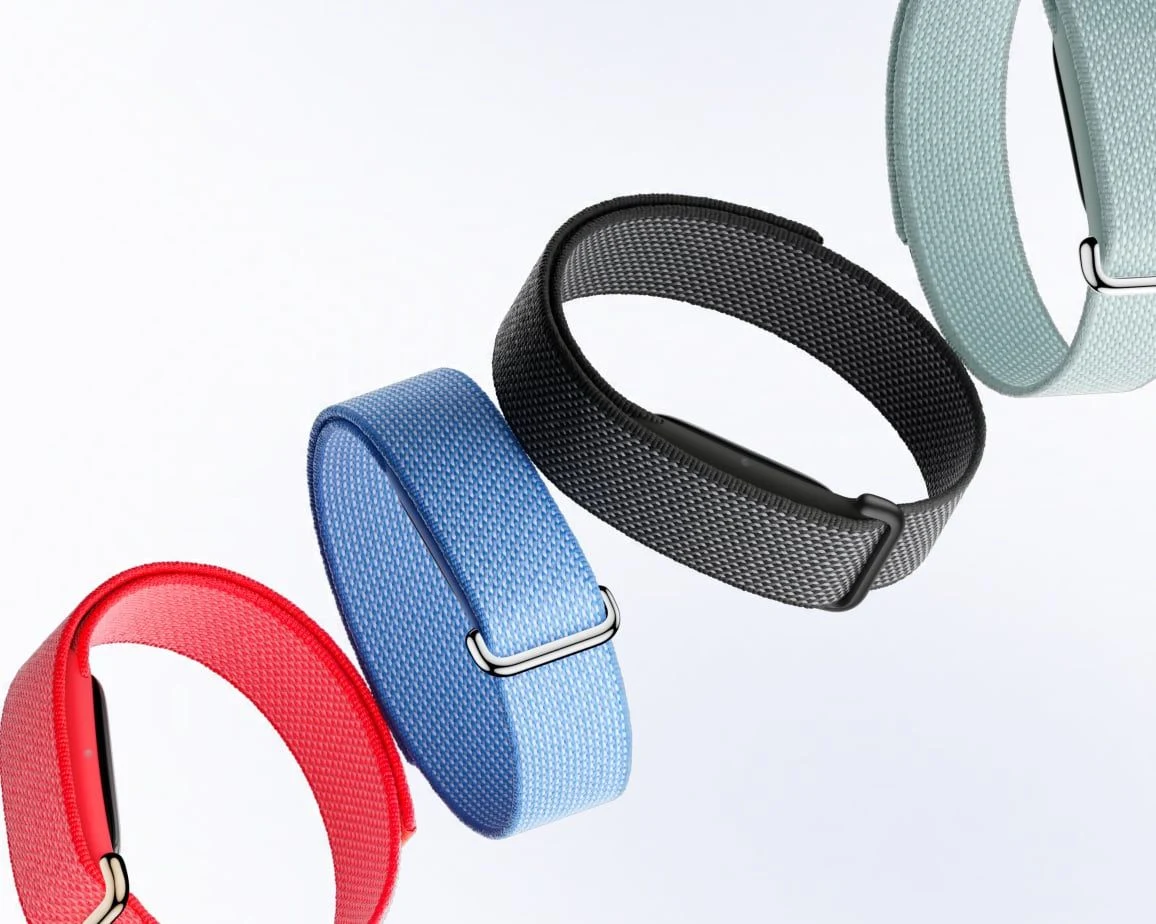
Google Opens Up the Fitbit Air for DIY 3D Printed Customization
Google is opening up its newest wearable to the maker community, releasing hardware blueprints for the Fitbit Air just weeks after its launch and inviting owners to design and 3D print their own accessories. The move builds on the device’s already-swappable design, and independent makers have already started publishing printable projects, with Google now extending…

Rocket Lab to Buy Iridium in New Deal, Forming Vertically Integrated Space Company
Nasdaq-listed launch and space systems company Rocket Lab Corporation and global satellite network operator Iridium Communications have signed a definitive agreement for Rocket Lab to acquire Iridium, valuing Iridium shares at $54 a piece through a combination of cash and stock and putting its enterprise value at roughly $8 billion. The combination creates a single,…
Jaden Smith, Louboutin, and Zellerfeld Tease a New 3D Printed Luxury Shoe
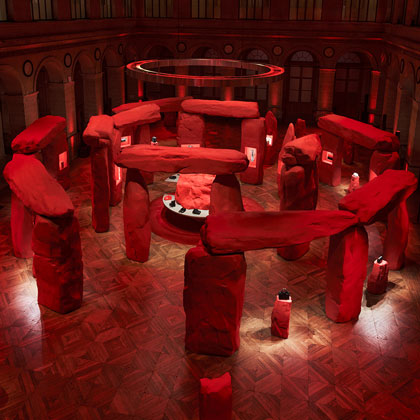
Jaden Smith may have just brought 3D printed footwear into one of fashion’s most famous red-soled shoes. It all started during Paris Fashion Week, where Christian Louboutin presented its Men’s Spring/Summer 2027 collection on June 24, led by Smith, who was named the house’s first men’s creative director in 2025. Instead of a traditional runway, guests walked into a vivid red terrain. Massive prehistoric stone-like formations, much like a modern Stonehenge, took over the venue. Some of those “stones” had “display niches” carved into them, almost like museum cases, where shoes, bags, and accessories were exhibited. Other shoes were displayed on top of the rocks, almost like sculptures or artifacts. Most of it was bathed in Louboutin’s signature color. This was a visually striking show, or we could say, an immersive setting built around ruins and fantasy. Inside Louboutin’s Men’s Spring/Summer 2027 presentation, in the form of monumental circular monoliths
The SLS Market: Game of Trucks
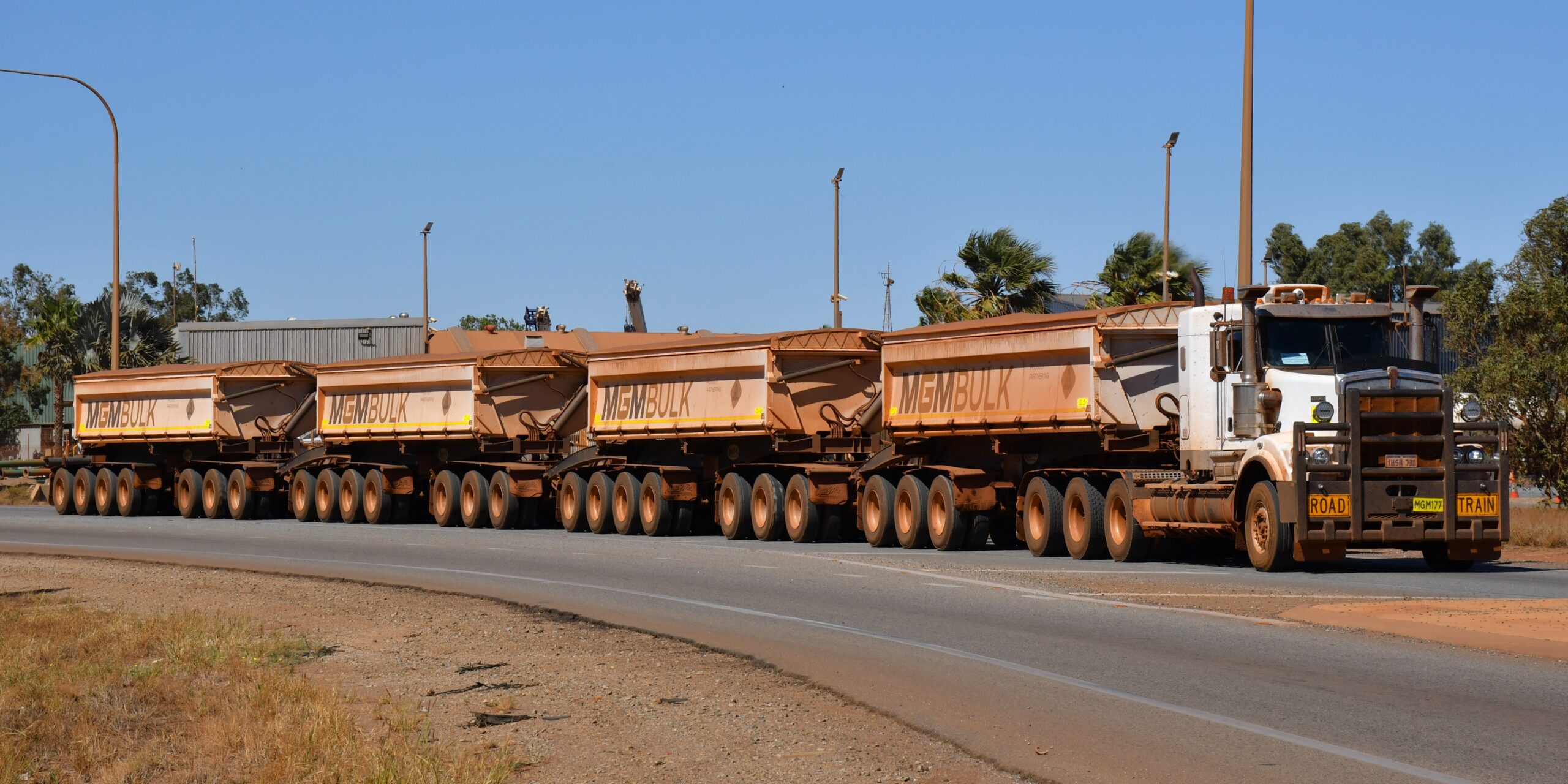
This is truly an exciting moment in the SLS market. With HP‘s release of the 1200 and Formlabs‘ release of the X1, we can see the SLS market heating up. I think that a great analogy to how this market will play out can be found in commercial vehicles. Whereas so far choices have been made mainly on volume, going forward, we will see more differentiation and specialization. Before, SLS machines were kind of sold like we were in an ice cream parlor. So much choice, but it boiled down to small, medium, or large. To me, deskside SLS is now at a point where different machines will serve different markets. We will see true change in operator profile, behavior, and utilization. What, therefore, is the future of the PBF-LB/P market? It’s a Game of Trucks. Road Trains (SLS Factories) The MGM C509 Quad Road Train is a colossal heavy-haulage combination operated by Australian logistics company MGM Bulk. Image courtesy of MGM Group. At the very tip of the market sit the Road Tr
VulcanForms Lands Major State Backing in Massachusetts Manufacturing Push
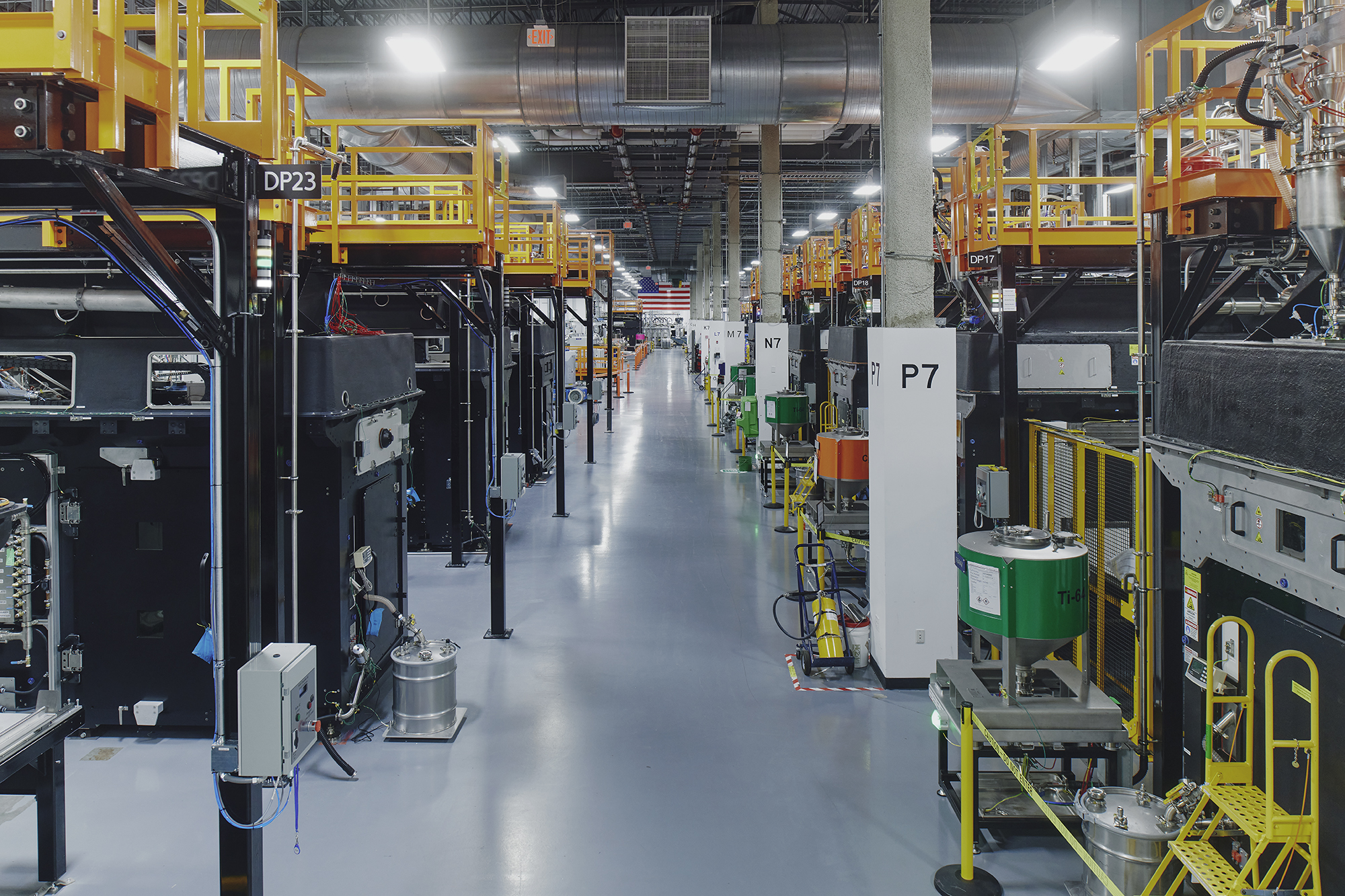
Massachusetts is making a major bet on industrial 3D printing. As part of a new $52 million package of state tax credits to support business expansion, the Massachusetts Economic Assistance Coordinating Council awarded more than $21.2 million to metal additive manufacturing (AM) company VulcanForms. The incentives will support the company’s plans to build a manufacturing facility of up to one million square feet in Devens, Massachusetts, where it expects to create 1,063 new jobs. It was the largest award approved in this funding round, which included 11 business expansion projects across the state. That is what makes this announcement stand out. Massachusetts is not funding another research project or pilot program. It is investing in large-scale manufacturing built around metal 3D printing. A factory built around AM VulcanForms already operates advanced manufacturing facilities in Massachusetts. The new Devens expansion would become another major production site, allowing the
3D Printing News Briefs, July 1, 2026: Prosthetics, Drug Delivery, & More
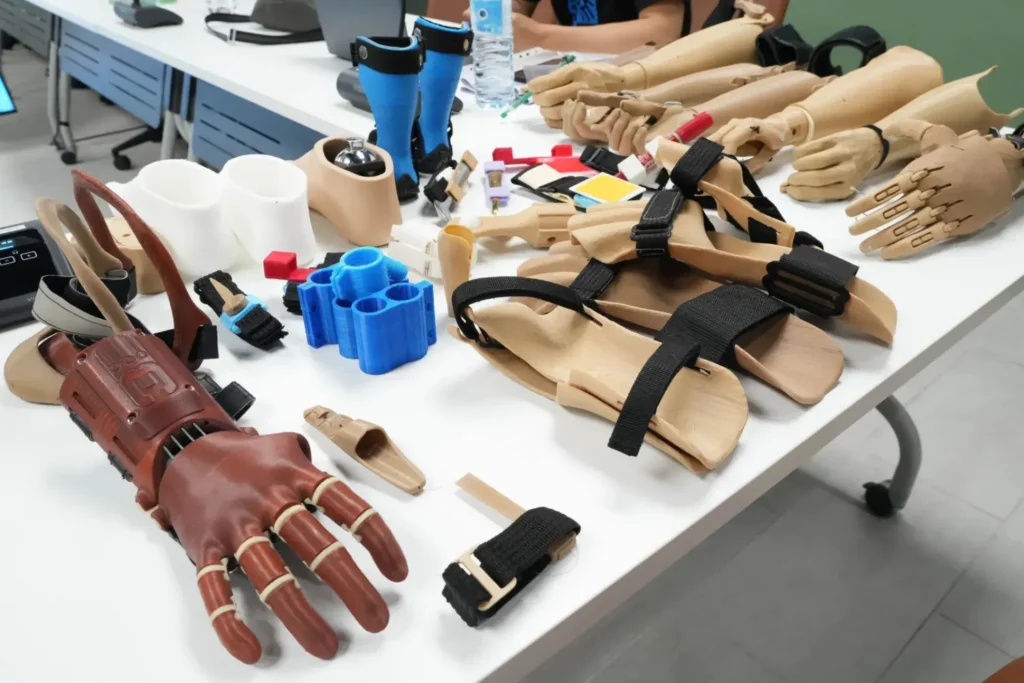
We’re focused on healthcare and research in today’s 3D Printing News Briefs, including 3D printed prosthetics, patient-specific implants, drug delivery, and more. Read on for all the details! Students from Queen’s University Bringing Accessible Prosthetics to Thailand Queen’s students, including members of the Queen’s Biomedical Innovation Team (QBiT), continue to work on developing and fine-tuning designs for prosthetics that can be created using a 3D printer. (Photo courtesy Burma Children Medical Fund) Almost two decades ago, Queen’s University researchers Eva Purkey (Family Medicine) and Colleen Davison (Public Health) started traveling annually to a clinic in Thailand to help with health workshops and policy reform. They also started working with NGO Burma Children Medical Fund (BCMF), which helps underserved communities get access to surgical treatment. In 2019, BCMF launched a 3D prosthesis project, and Drs. Purkey and Davison worked with other Queen

Caltech Uses 3D Printing to Rethink the Lithium-Ion Battery
For more than two decades, lithium-ion batteries have powered almost everything around us. They are inside smartphones, laptops, electric vehicles, drones, and even many medical devices. Batteries have improved a lot over the years. But they can still overheat, use expensive materials like cobalt, and are becoming harder to improve. Instead of developing a completely new battery, researchers at the California Institute of Technology (Caltech) are focusing on the one we already use. Their idea is to redesign its inside with 3D printing. And the team’s work focuses on one of the battery’s most important components: the cathode. A Different Way to Build a Battery Most lithium-ion batteries today are built with flat, layered electrodes. It is a design that has worked well for years because it is pretty easy to make. But the Caltech team is doing things differently. Instead of making a flat cathode, they designed and 3D printed one with a tiny, carefully engineered structure. S
Austal, Curtin University and AMCRC Work on R&D Together
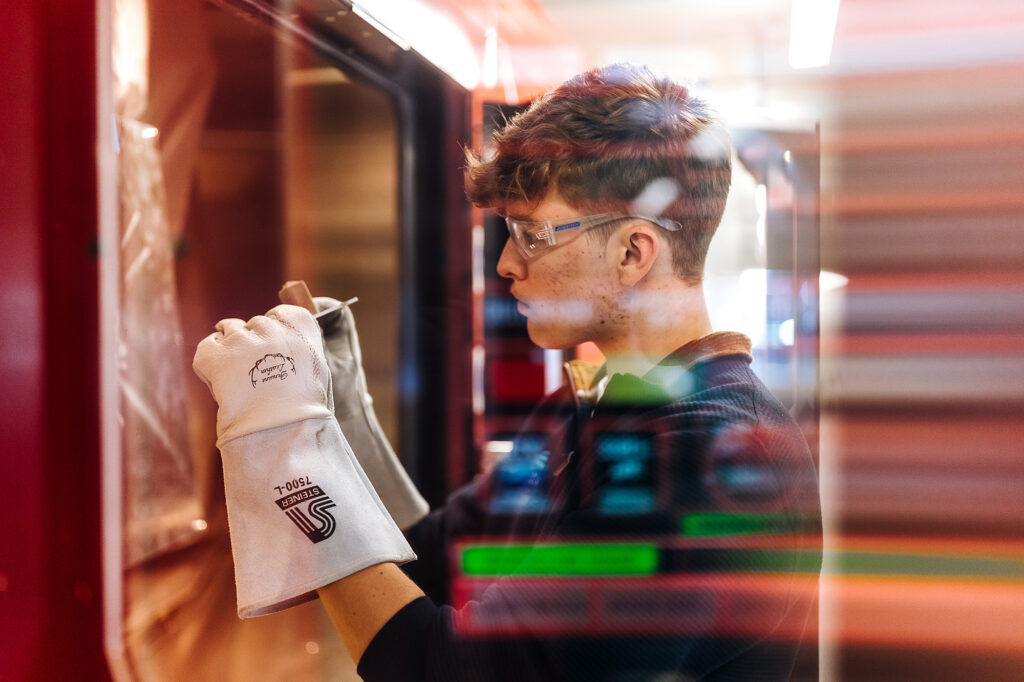
Australia’s Additive Manufacturing Cooperative Research Centre (AMCRC) works with 70 industry partners to deliver collaborative R&D projects. They also work on workforce development and technology transfer. It’s kind of analogous to America Makes, but with a broader focus than just defense. AMCRC is funded to the tune of $57 million by the Australian government and is trying to help additive manufacturing grow and gain a foothold in the country. Now the AMCRC is working with Austal and Curtin University on a $600,000 research product. Austal is an Australian shipbuilder that employs over 4,000 people and has revenues of 1.82 billion Australian dollars ($1.29 billion in US). Austal has built patrol vessels for many countries and also builds ferries, submarines, and autonomous vessels. Curtin, meanwhile, is a leading university for mining, geology, geophysics, and architecture. The research project will look through Austal’s defense supply chain to identify parts rip
NNSA Unveils Aires Tide, Its First AI-Designed Flight Vehicle Under the Genesis Mission
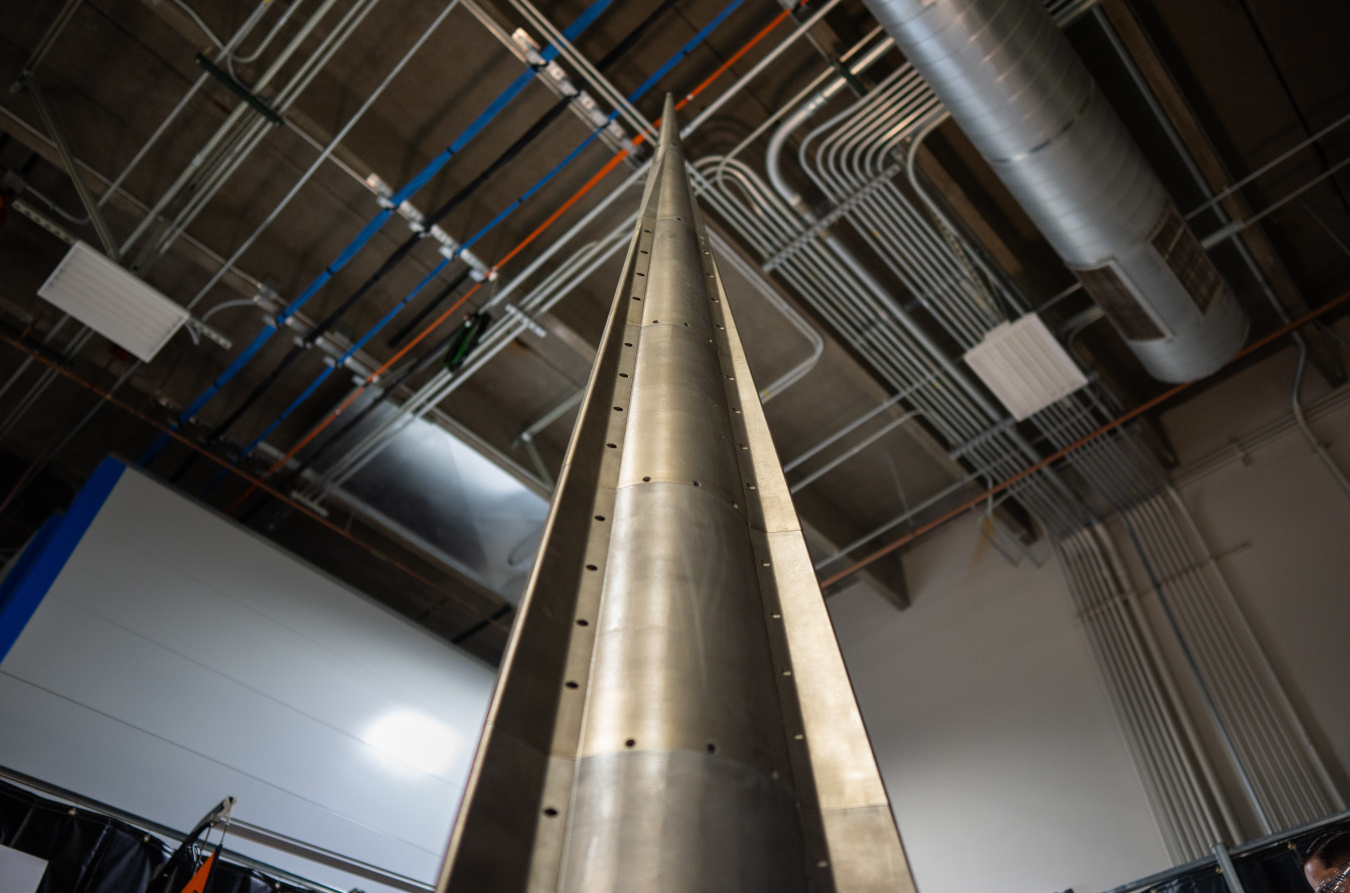
A new flight test vehicle from the Department of Energy’s National Nuclear Security Administration (NNSA) shows what happens when AI, supercomputing, and 3D printing get folded into a single design pipeline. Called Aires Tide, the proof-of-concept aircraft was engineered to test whether national security hardware can move from blueprint to airborne test article on a…

AMAA 2026: Northrop’s Single Piece Tanks Created a New Certification Challenge
In additive manufacturing for space hardware, the parts easiest to print are often the hardest to certify. A forging and a weld seam unified into one printed piece sounds like pure upside, until someone has to prove it will not fail under pressure in orbit. That was the case Andrew Thompson, Manager of Northrop Grumman’s…
AMAA 2026: Authentise Targets Technical Data Package Bottleneck with AI-Driven Workflow Tool
In additive manufacturing (AM) in aerospace and defense, documentation overhead is one of the most persistent barriers to getting parts into production. Boeing was sitting on a substantial backlog of technical data packages for casting and 3D printed parts, at a cost its engineering teams could no longer absorb. Authentise, a Philadelphia-headquartered digital workflow management…

Dawn Aerospace Raises $25 Million as 3D Printing Helps Power Reusable Spaceflight Ambitions
The race to build the next generation of reusable spacecraft just got another boost. Dawn Aerospace has landed $25 million in Series B funding to help scale its reusable space transportation business. The company, now valued at $195 million, is betting that reusable vehicles will help reshape how often (and how affordably) we reach space. The new funding will support the expansion of Dawn’s satellite propulsion business, continued development of its Aurora reusable spaceplane, and work on Loop, the company’s planned in-orbit satellite refueling network. Dawn is targeting a Loop demonstration in 2028. For the additive manufacturing (AM) industry, the funding points to a growing trend: many of the most ambitious space startups are building critical hardware with 3D printing. Based in New Zealand and the Netherlands, Dawn Aerospace already has one foot in space. Unlike many space startups that are still pre-revenue, Dawn already generates revenue through its satellite propu
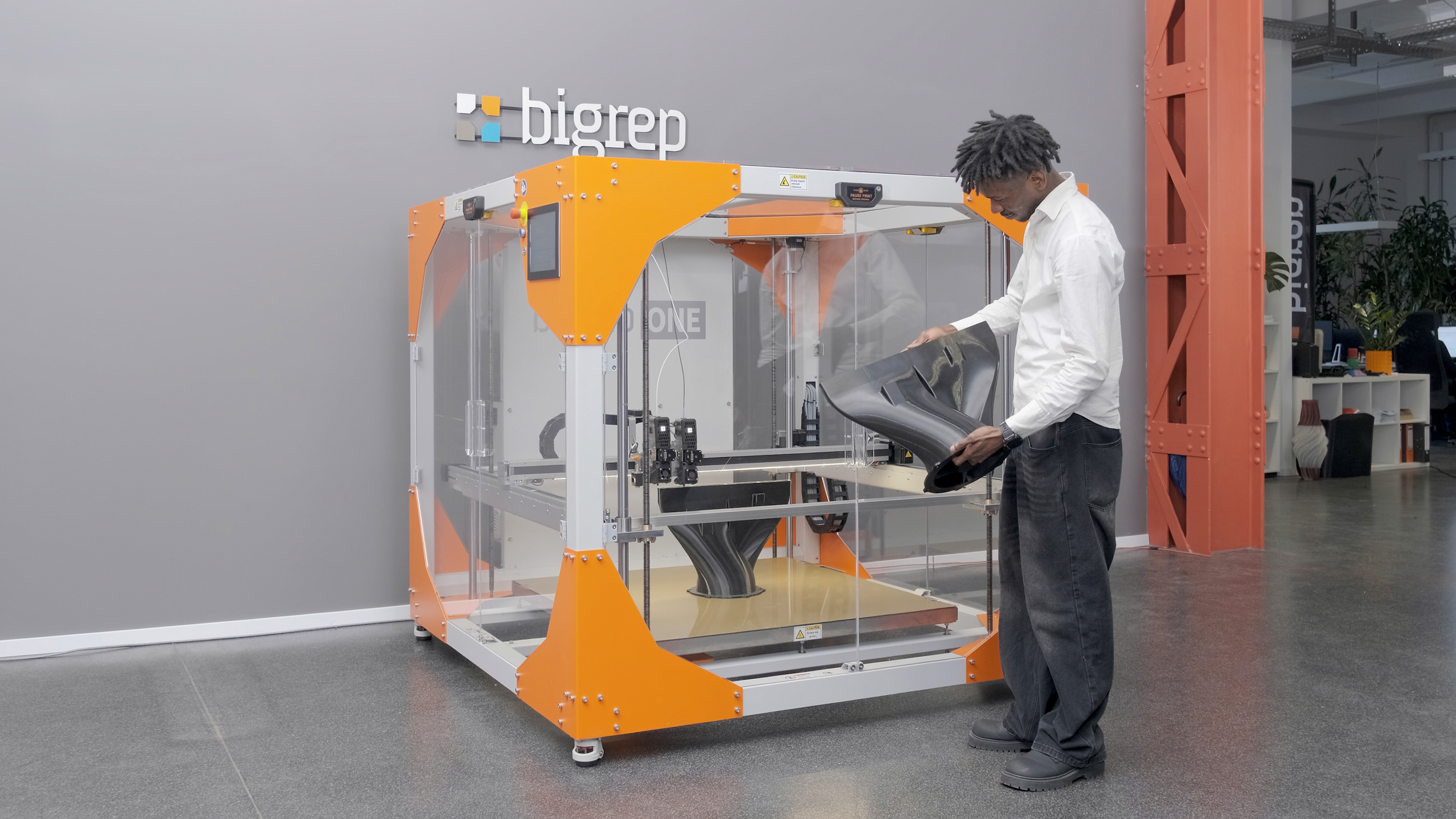
Unsupervised, Strong, and Scalable: The New Era of Factory-Floor 3D Printing
There’s a jig sitting in a drawer at most aerospace and automotive shops. Making it meant calling a machinist, waiting weeks, and paying for a block of aluminum to be carved down into something used maybe 50 times before the design changed. Additive manufacturing was supposed to fix that. And it has, at small scales.…
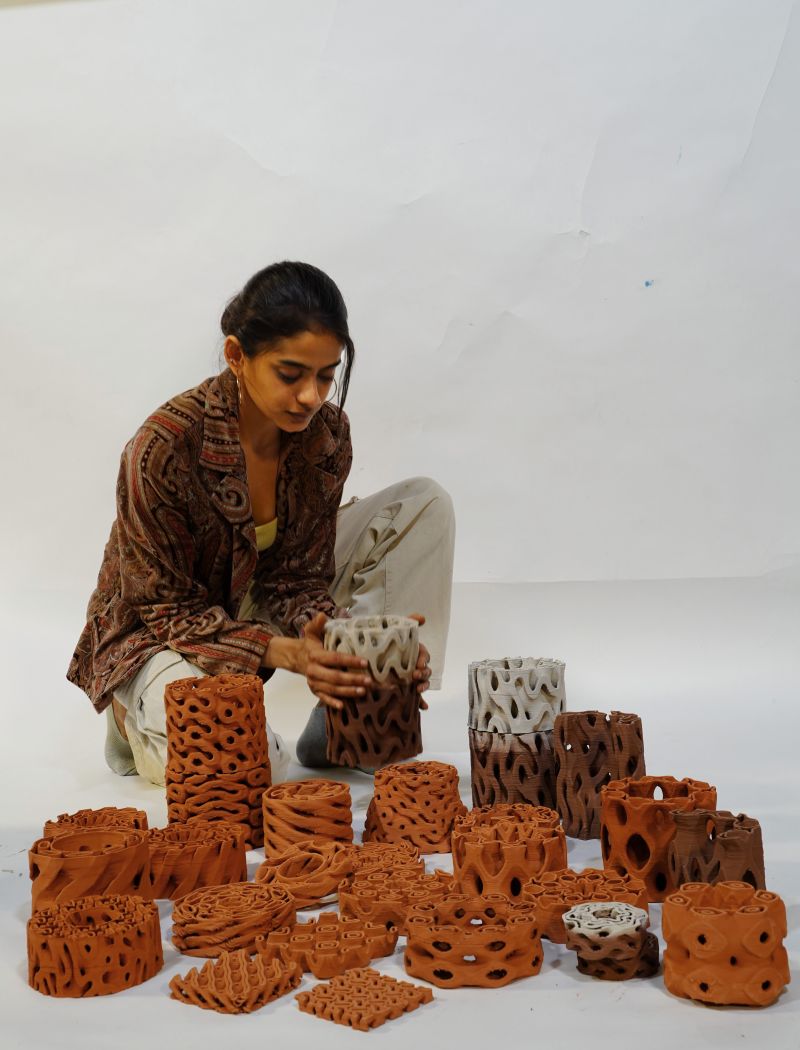
Rameshwari Jonnalagedda Builds 3D Printed Terracotta Modules Designed to Be Colonized by Nature
Designer Rameshwari Jonnalagedda has created Minimal Matter, a system of 3D printed terracotta components built around the mathematics of minimal surfaces, the same geometric principles found in soap films, leaf veins, and cellular membranes. Rather than producing a single fixed object, Jonnalagedda has built a flexible framework: depending on how its geometry is tuned, the…
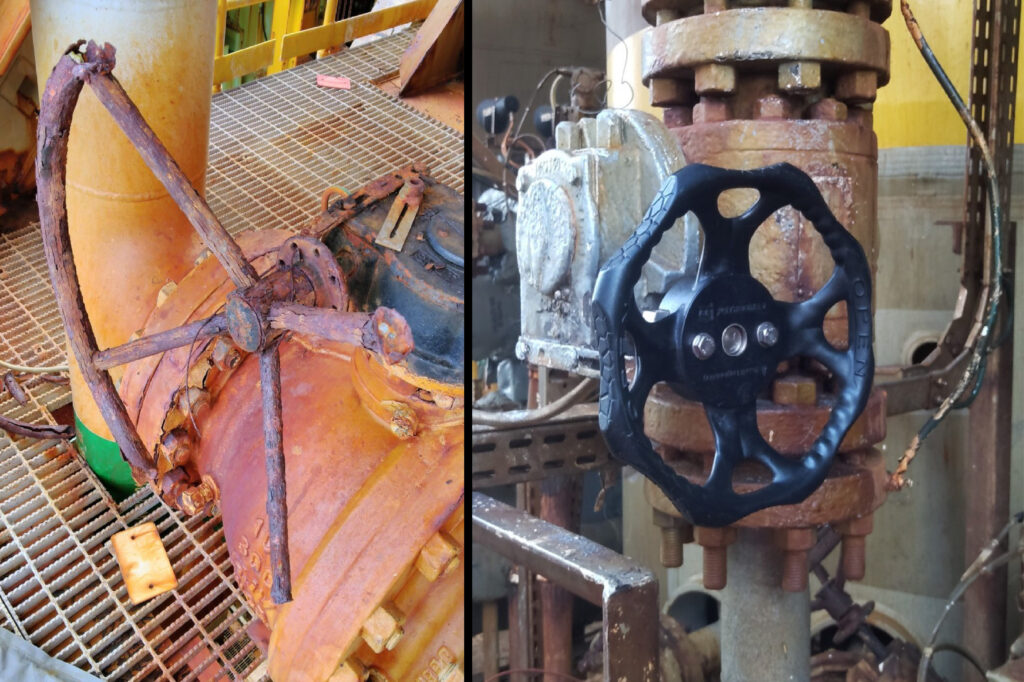
From Vision to Reality: Secure Additive Manufacturing for Brazil’s Energy Sector
In the oil and gas industry, every day of unplanned downtime can translate into significant operational and financial losses. When a critical component is unavailable, operators may wait days or even weeks for replacement parts to arrive through traditional supply chains, particularly when assets are located offshore or in remote locations. This reality has made localized manufacturing one of the most attractive opportunities in additive manufacturing, enabling parts to be produced closer to the point of need and reducing dependence on inventory and logistics. Yet despite the technology’s potential, many organizations have been reluctant to scale distributed manufacturing due to concerns around intellectual property theft, unauthorized part reproduction, and the challenge of maintaining control over sensitive manufacturing data across multiple production sites. For Petrobras, one of the world’s leading energy companies, these challenges are particularly relevant. Across oi
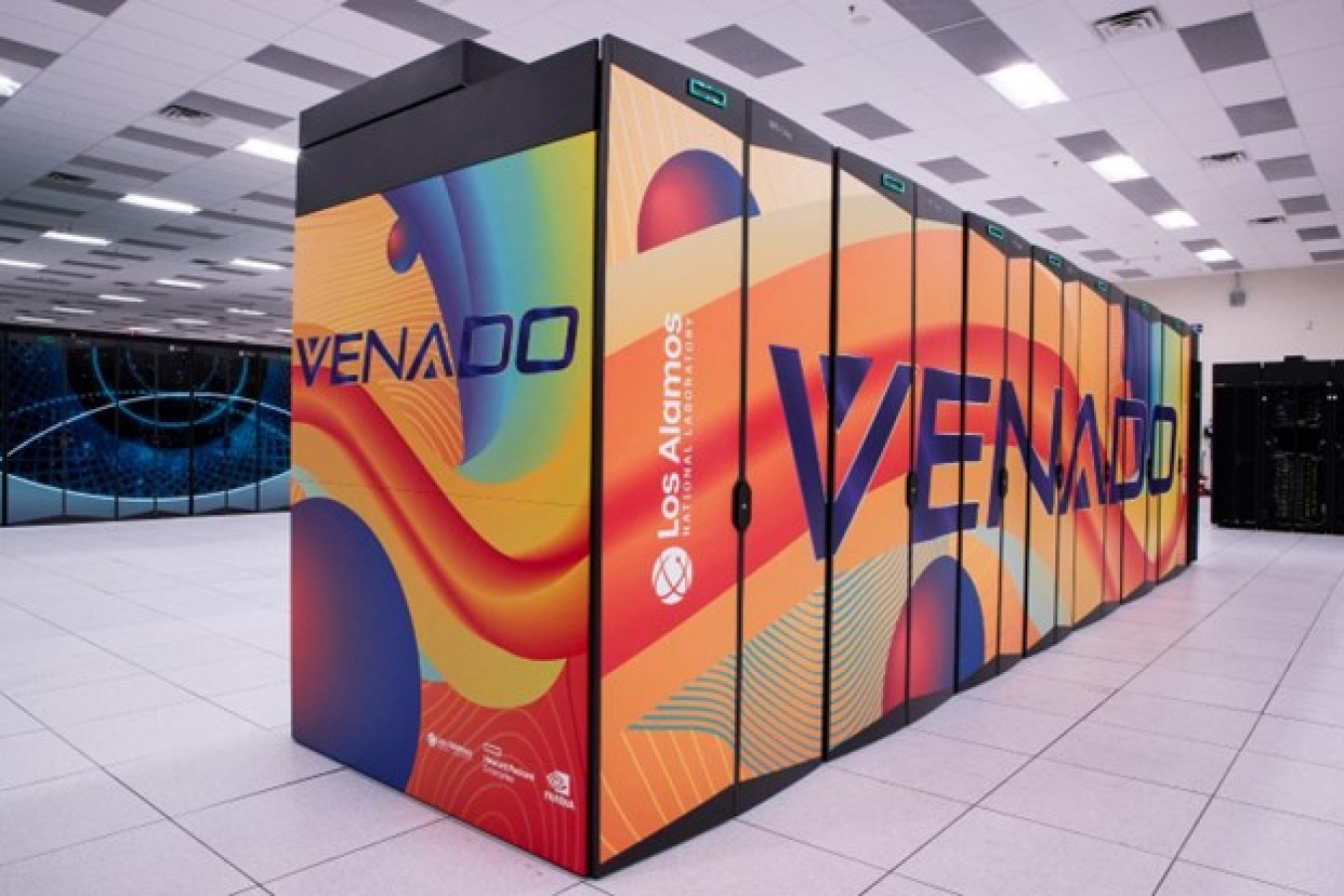
Aires Tide Designed with AI, Supercomputers, and 3D Printing
The Department of Energy‘s National Nuclear Security Administration (DOE/NNSA) is part of the US government that manages the US nuclear stockpile, helping to upgrade, improve, and maintain nuclear weapons, and helps to maintain the Navy’s nuclear propulsion program. This is a super-secret, super-sensitive part of the government that we don’t often see or hear from. Now they’ve introduced Aires Tide, a rapid implementation of a hypersonic vehicle that used the DOE’s Genesis Mission AI supercomputing capacity to make the vehicle, “15 times cheaper and seven times faster than traditional manufacturing.” The work was done by Los Alamos, Lawrence Livermore, Sandia, and the Kansas City National Security Campus. NNSA Administrator Brandon Williams said, “Aires Tide is a remarkable early demonstration of how NNSA is putting the Genesis Mission into action. “President Trump has made it clear that America must lead the world in artificial intelligence
Empa Uses 3D Printing to Repair Cracked Bridges Without Replacing Them
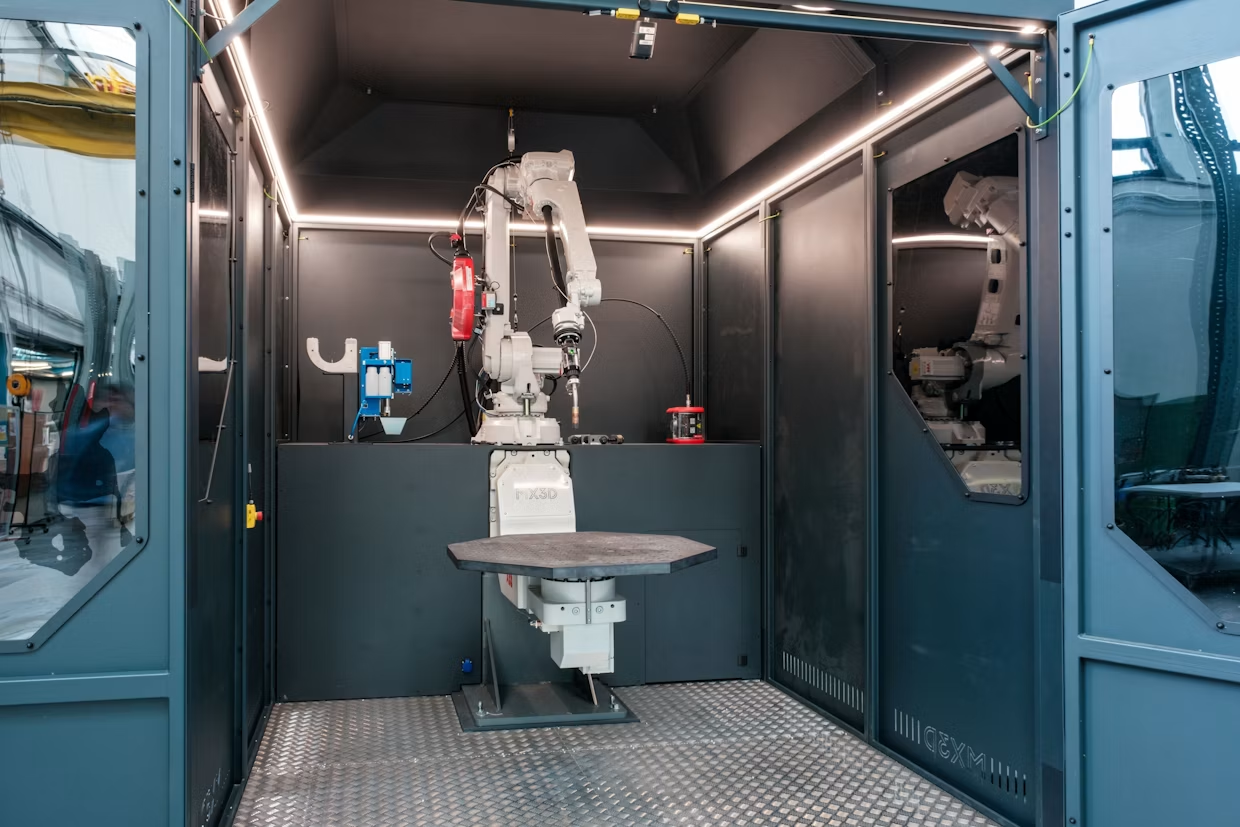
Swiss Federal Laboratories for Materials Science and Technology (Empa) researchers are using Wire Arc Additive Manufacturing to repair fatigue cracks in bridges and steel structures, printing customized metal reinforcements directly onto damaged components rather than replacing them entirely. The process, known as WAAM, works by feeding a welding wire through a robotic arm that deposits…
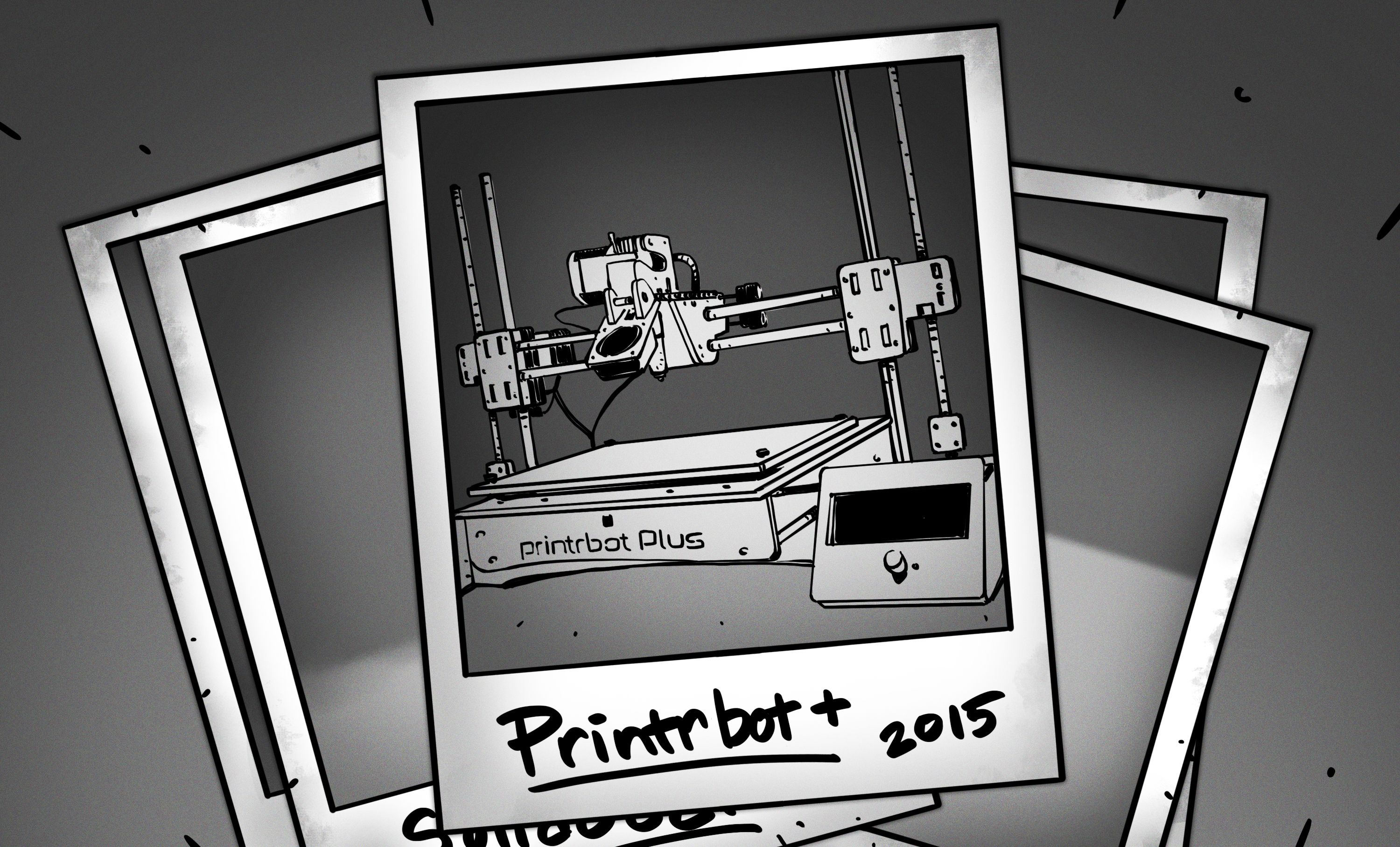
The Teenage Angst of 3D Printing: Solidoodle, Printrbot, and Bridges
Bridges are a part of our constructed landscape that we take for granted. And bridges by themselves aren’t especially important. What is important is that bridges let you get from one place to another. Technology is often the same. We get from point A to point B through some bridge technology that, probably, most normal people never even notice. Years ago, point A was commercial 3D printing. Industry had stereolithography, selective laser sintering, fused deposition modeling, and other rapid-prototyping technologies. These were not toys. They were expensive industrial systems used by companies that needed prototypes badly enough to pay serious money for them. Fast Forward to Today Today, you can go to a big box store and buy a 3D printer for well under $1,000, and often far less. Modern machines are almost plug-and-play and tend to do all the hard parts for you. That’s point B. How we got between points is a story of hackers who had a dream, and many Hackaday readers live
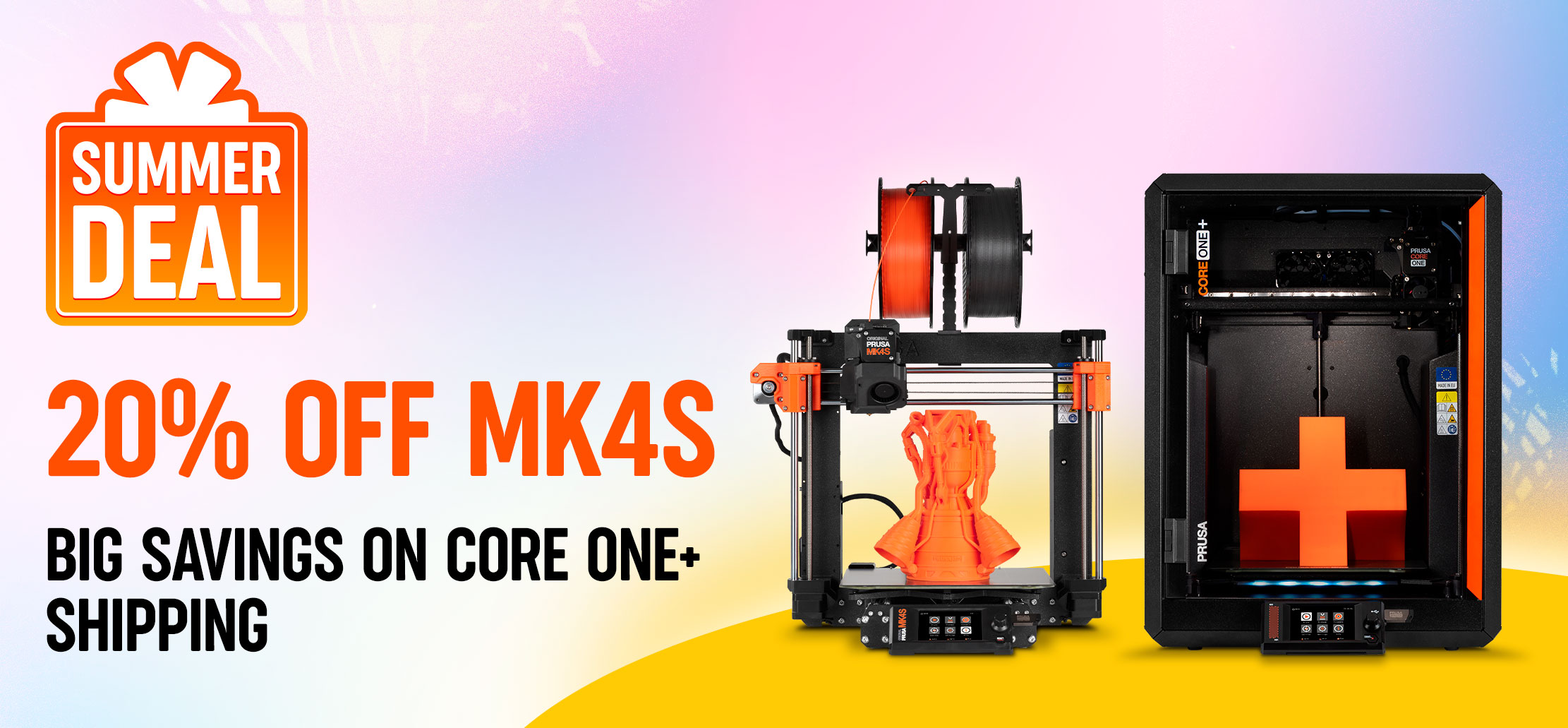
Flash Summer Deal 2026: 20% Off MK4S & Reduced CORE One+ Shipping!
Long summer days are perfect for bringing new projects to life. Plus, a 3D printer is a great end-of-school-year gift idea for creative students. To help you gear up for new creations, we've prepared a Flash Summer Deal on two of... The post Flash Summer Deal 2026: 20% Off MK4S & Reduced CORE One+ Shipping! appeared first on Original Prusa 3D Printers.

New University of Miami Facility Brings Bioprinting Closer to Clinical Reality
The University of Miami‘s Miller School of Medicine has opened a new bioprinting facility that is already being used to create living tissues, patient-specific implants, and advanced drug delivery systems. The facility could help move bioprinting technologies closer to real-world clinical use. Located within the Dr. John T. Macdonald Foundation Biomedical Nanotechnology Institute (BioNIUM), the facility brings together researchers, engineers, and clinicians under one roof. The goal is to accelerate the development of personalized medical treatments and regenerative medicine technologies. “It’s a little bit like Star Trek,” said Sylvia Daunert, director of BioNIUM and Lucille P. Markey Chair in Biochemistry and Molecular Biology. “We make molecules called nano-carriers that recognize diseased cells. They act like a GPS and deliver drugs where they’re needed. These technologies are making a huge impact on medicine.” Dr. Sylvia Daunert is the director of t
HeyGears Unveils G1X, the World’s First Desktop Full-Color 3D & UV Printer
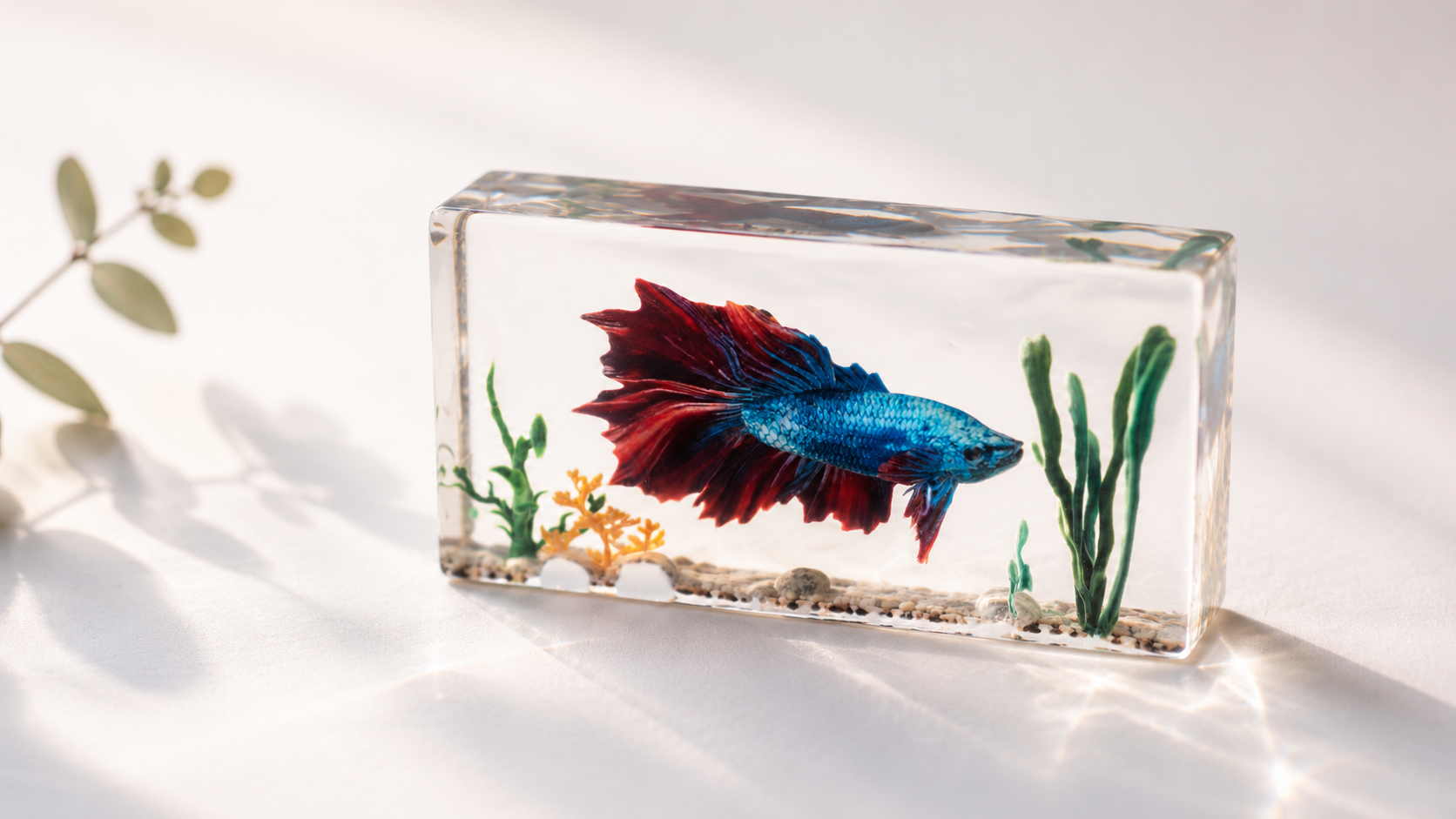
For creators, makers, studios, and small businesses, color has remained one of the biggest barriers in digital fabrication. Multi-color FDM is limited in detail and often creates waste towers, while resin 3D printing delivers fine detail but requires manual painting for color. Full-color 3D printing has traditionally been expensive and out of reach, with UV printing and texture creation still locked in separate workflows. The HeyGears G1X is designed to change that. As the world’s first desktop full-color 3D and UV printer, G1X combines Full-Color 3D, 3D Texture, and 2D UV printing in one desktop-scale platform. From paint-free full-color models and tactile relief effects to high-resolution surface customization across hundreds of materials, G1X gives creators a faster, more flexible way to turn digital ideas into finished physical products. One Machine. Three Worlds of Creation. The HeyGears G1X combines Full-Color 3D, 3D Texture, and 2D UV printing in one desktop system. 3D Printi
Rocket Lab Buys Iridium in $8 Billion Deal, Creating a New SpaceX Rival
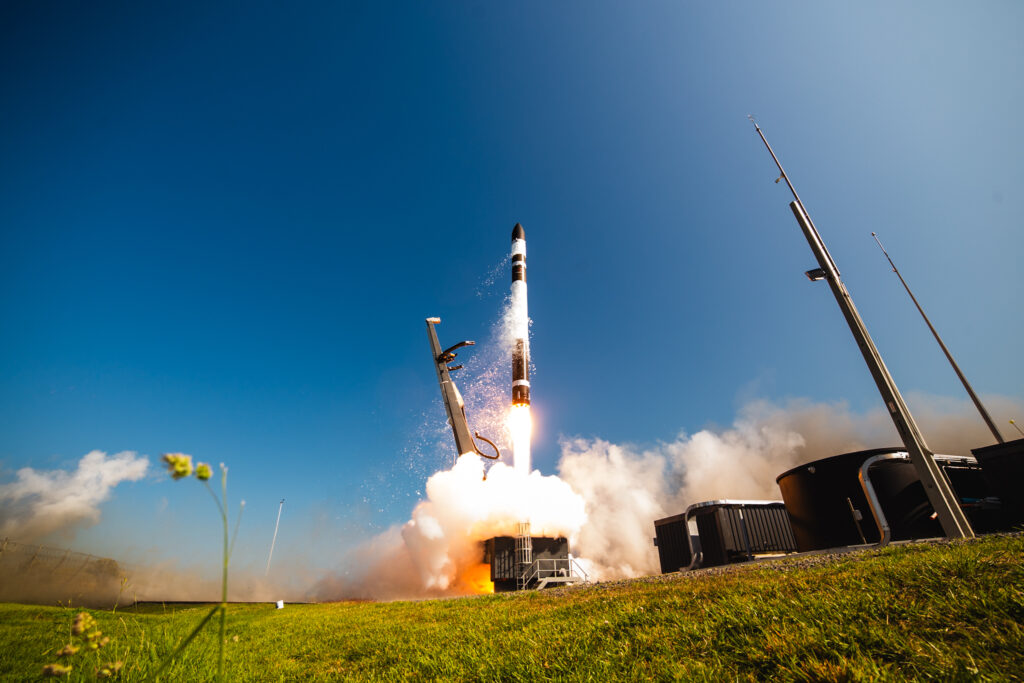
Rocket Lab is buying Iridium for $8 billion in a cash-and-stock deal worth $54 per share. Shareholders will receive $27 in cash plus additional Rocket Lab common stock. The company now sees itself as a “vertically integrated space company that designs, builds, launches, and operates its own constellations, delivering critical communications capability to millions of users worldwide.” In essence, therefore, Rocket Lab is now a SpaceX alternative. Given Elon Musk‘s increasingly visible political profile, Rocket Lab may be seen by many firms and individuals as a more responsible and safer partner. Iridium currently has 2.55 million active subscribers for L-band spectrum and LEO-based data and voice direct-to-device services. The hope here is to use Rocket Lab’s launch capabilities to extend the Iridium network, its constellation, and its capabilities to a level that rivals SpaceX. Rocket Lab launches “IoT 4 You & Me” Mission. Image courtesy of Rocket L
DLA’s Product Test Center Cuts Testing Times with 3D Printing Capability
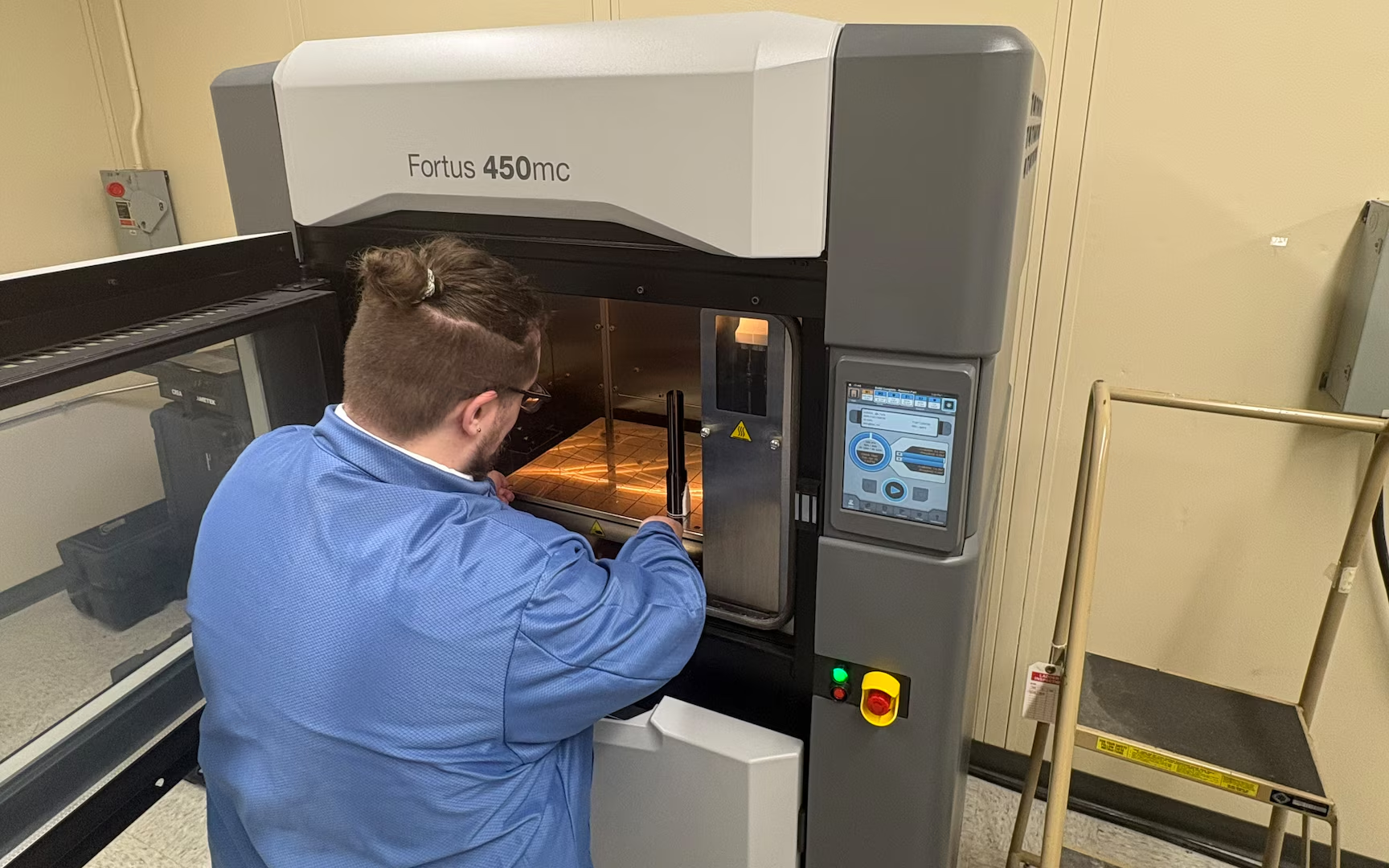
The Defense Logistics Agency Weapons Support Product Test Center in Columbus, Ohio has integrated additive manufacturing into its quality assurance operations, reducing fixture production times from months to hours and freeing up staff capacity in the process. The facility tests around 3,000 items per year across its electronics and mechanical labs, with a 30-day window…