
3D Printing News
Latest 3D printing news, technology developments and industry analysis
3D Printing News Briefs, July 22, 2026: Delisting, Wind Turbine Blades, & More
We’re covering business and energy news in today’s 3D Printing News Briefs. Würth Additive Group has closed its doors, and BigRep delisted from the Frankfurt Stock Exchange. RA Wind received a grant for robotic 3D printing of wind turbine blades. Finally, Ampera has completed production on a 3D printed microreactor module. Würth Additive Group Business Unit Announces Closure The Würth Group, a multinational conglomerate headquartered in Germany, manufactures and sells assembly and fastening materials. It started working with additive manufacturing (AM) in 2017, and opened its Würth Additive Group (WAG) business unit in 2021. In addition to distributing 3D printing materials and hardware through reseller partnerships, WAG’s main goal was to support customers with inventory management solutions, and the unit introduced its AM-driven Digital Inventory Services (DIS) platform at AMUG 2024, officially launching it at AMUG 2025. Things seemed to be going well for WAG, at

Is This the End of One-Size-Fits-All Braces? LightForce Thinks Every Patient Deserves a Different Bracket
For decades, braces have followed a pretty simple formula. Manufacturers make millions of identical brackets, orthodontists bond them to patients’ teeth, and then spend months making adjustments to get each smile exactly where it needs to be. According to orthodontist and early LightForce advisor Dr. Bryan Lockhart, that process has remained largely unchanged because the brackets themselves were never designed for the individual patient. “Historically, it didn’t matter who the patient was. Two patients could have completely different teeth, but they would get the exact same bracket,” Lockhart told 3DPrint.com. “That meant much of an orthodontist’s work happened after the braces were already in place. As teeth gradually straightened, doctors often had to reposition brackets, bend wires, and make other adjustments to fine-tune the final result. Now, companies like LightForce are trying to change that by turning every bracket into a custom-made medical device.” I
Beehive Industries Invests $70M in Ohio to Support Its Advanced Manufacturing Buildup for Propulsion
Beehive Industries and the state of Ohio have each been killing it in the metal 3D printing game. Naturally then, it was only logical for Beehive and Ohio to combine forces, with Beehive announcing last month that it would be acquiring the assets of two machine shops in the Cincinnati area. Now, in partnership with the workforce development nonprofit JobsOhio and the similar organization REDI Cincinnati, Beehive has announced that the company will be investing $70 million to expand its operations there, a move that will create over 200 new jobs. As the company noted in its previous announcement about the acquisition of assets from the two machine shops, Beehive will stand up a Production Machining Center of Excellence (CoE) in the Cincinnati area, at the same time as it’s establishing a Production AM CoE in Knoxville, Tennessee. Beehive has been signaling that a major buildup of its production capacity is in the works, first with the announcement earlier this year of a $29.7 mi
ugee launches Funbox, a new desktop 3D printer built for children
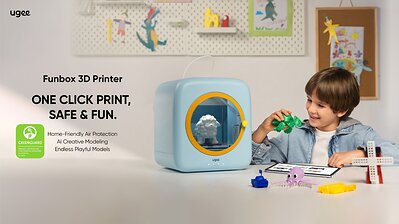
ugee, the Shenzhen-based digital creativity brand, has globally launched Funbox, its first desktop 3D printer aimed at children and beginners, priced at $269 and positioned as a home-grade, out-of-the-box machine for families. The printer targets the 4-to-12 age group and is built around three claims: enclosed safety, one-tap operation, and AI-assisted design that turns a…
EU project grows living bone, fat and muscle with a new bioprinting method
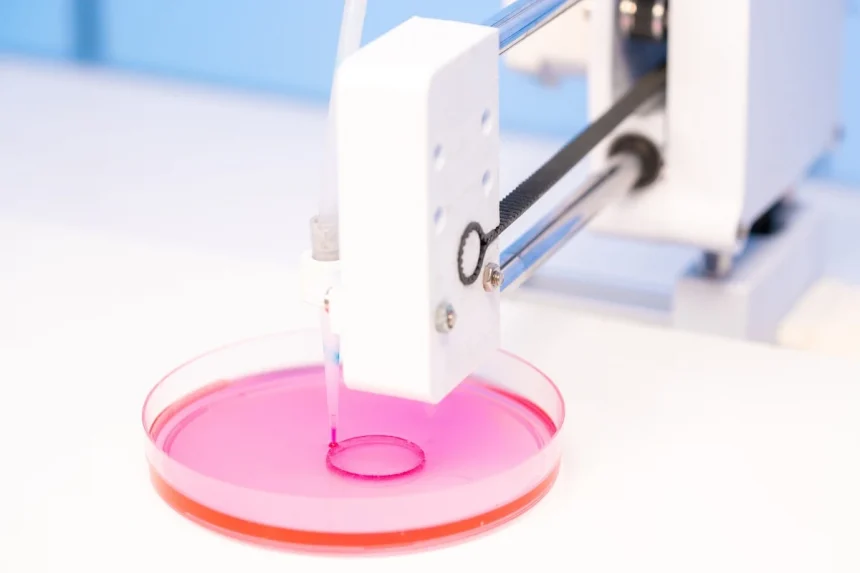
An EU-funded research team has developed a 3D bioprinting technique that grows living bone, fat and muscle tissue in the lab, with uses stretching from leukaemia research to cultivated meat.  The work comes out of PRISM-LT, a five-year project running until 2027 and coordinated scientifically by Massimo Vassalli, professor of bioengineering at the University of…
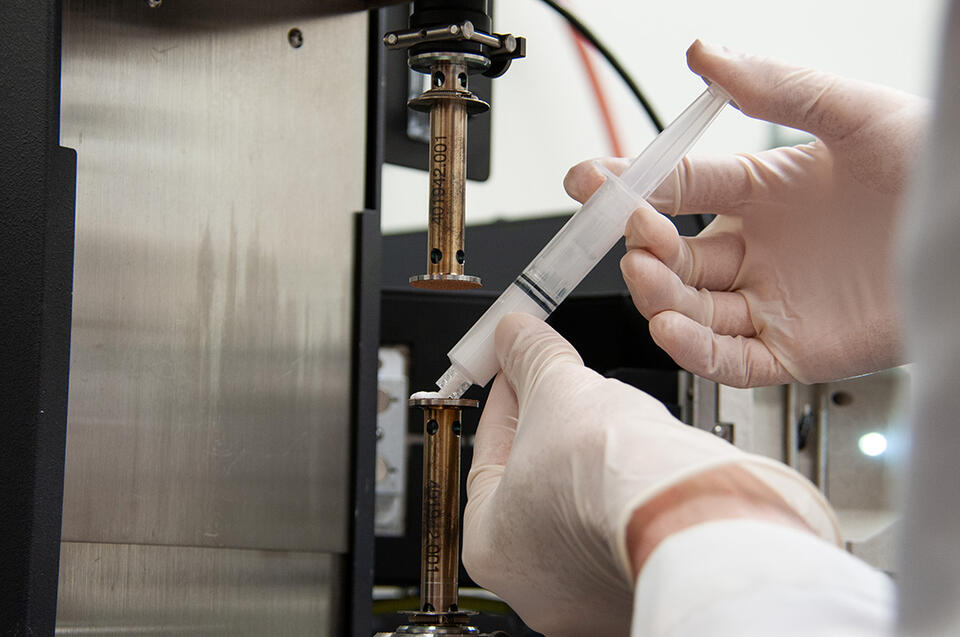
NIST tackles ceramic 3D printing’s measurement gap
Researchers at the US National Institute of Standards and Technology (NIST) are developing a reference material, a carefully engineered zirconia slurry, to help ceramic 3D printing produce consistent, reliable parts. The problem it targets is deceptively basic: the wet ceramic feedstocks used to print are notoriously hard to measure accurately, and without a trustworthy way…
3DPOD 307: Wire Arc AM with Peter Richards, Deep Manufacturing
Peter Richards is the CEO of Deep Manufacturing, a supremely ambitious company deploying DED to build underwater habitats. Additionally, the company makes pressure vessels and large certified metal structures for clients. He tells us how Deep scaled so quickly, what the company wants to do, what roadblocks were in the way and how it hopes to grow. Some of the things he tells us are quite surprising, such as whose robots he is using and their open approach to partnering and collaborations. Other things Deep does very much like the rest of the industry. We also delve deeper into certification, quality and the future of the technology. This episode of the 3DPOD is brought to you by HeyGears, an innovation-driven 3D printing solution company devoted to taking digital manufacturing to the next level for individuals and businesses around the world. HeyGears’ extensive expertise and self-developed resin, 3D printing hardware, software, materials, and service platforms mean they can offer com
Who’s Asking the Questions? A Look at Additive Manufacturing’s Financial Analysts
Every earnings season, executives at publicly traded additive manufacturing (AM) companies face questions from Wall Street. While the companies change strategies, launch new products, or enter new markets, many of the voices asking the questions stay the same. A rather small group of analysts follows the sector quarter after quarter, helping shape how investors understand the industry’s progress. That wasn’t always the case. During the surge in investor interest in AM in the early 2020s, publicly traded 3D printing companies attracted plenty of attention from Wall Street. Capital flowed into the sector through traditional IPOs and SPAC mergers; new companies entered the public markets, and earnings calls had a pretty big mix of analysts who wanted to understand where the industry was headed. Today, the industry is in a different place. AM has found its footing in markets like aerospace, defense, healthcare, and dental, and investors are paying close attention to where com
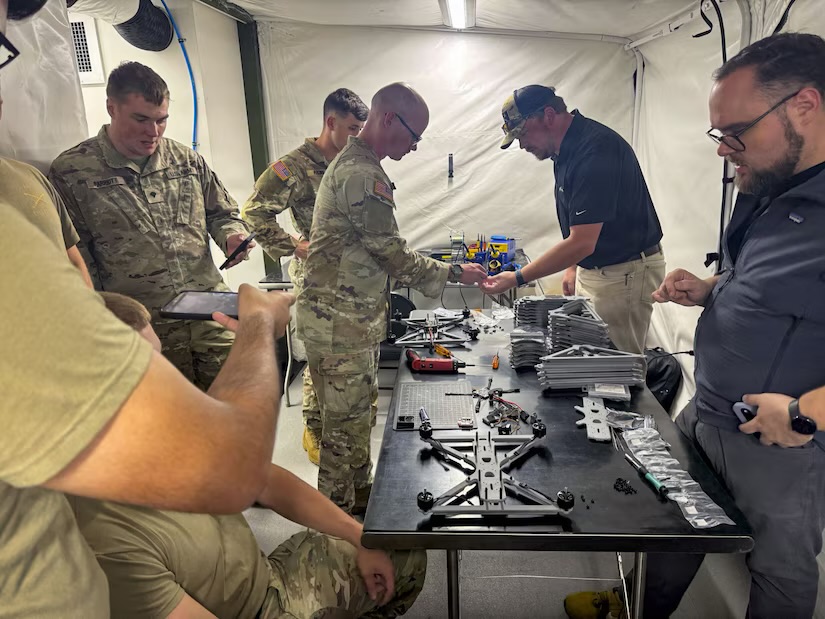
How the US-China Trade War is Changing the 3D Printing Market
Western governments don’t really have a coherent view on how to engage China on trade, and how could they? They vacillate between intimate economic cooperation and antagonistic bluster, depending on the issue and the day, and there is very little in terms of a united front that connects all the various countries that comprise ‘the West’. Meanwhile, Western businesses are, if anything, worse — and again, how could we expect otherwise? While we’re all quite sick of talking about Elon Musk, the admiration for him in the Western tech world is a perfect example. Consider that an entire defense tech boom built largely around SpaceX alumni and, more broadly, Musk admirers, is being built up in no small part thanks to fear-mongering about Chinese hegemony. Meanwhile, Musk owes the foundation for much of his entire fortune on Chinese manufacturing supply chains. There’s no way to spin that into a logical position, so everyone more or less just ignores it, a
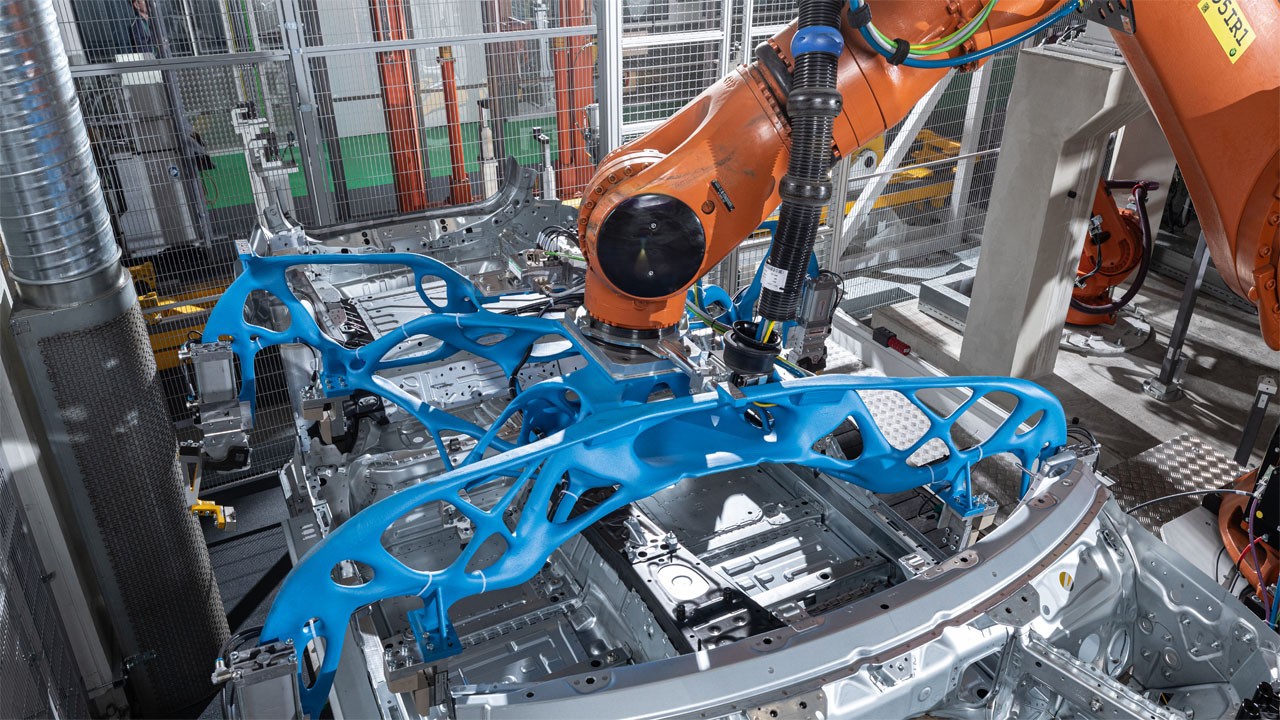
BMW Group pushes 3D printing toward full industrial series production
The BMW Group is turning additive manufacturing from a prototyping tool into a standing pillar of its industrial production, with the first vehicle components made by Wire Arc Additive Manufacturing (WAAM) scheduled to enter series production in 2027. The push is being run out of the company’s Additive Manufacturing Campus (AMC) in Oberschleissheim, north of…
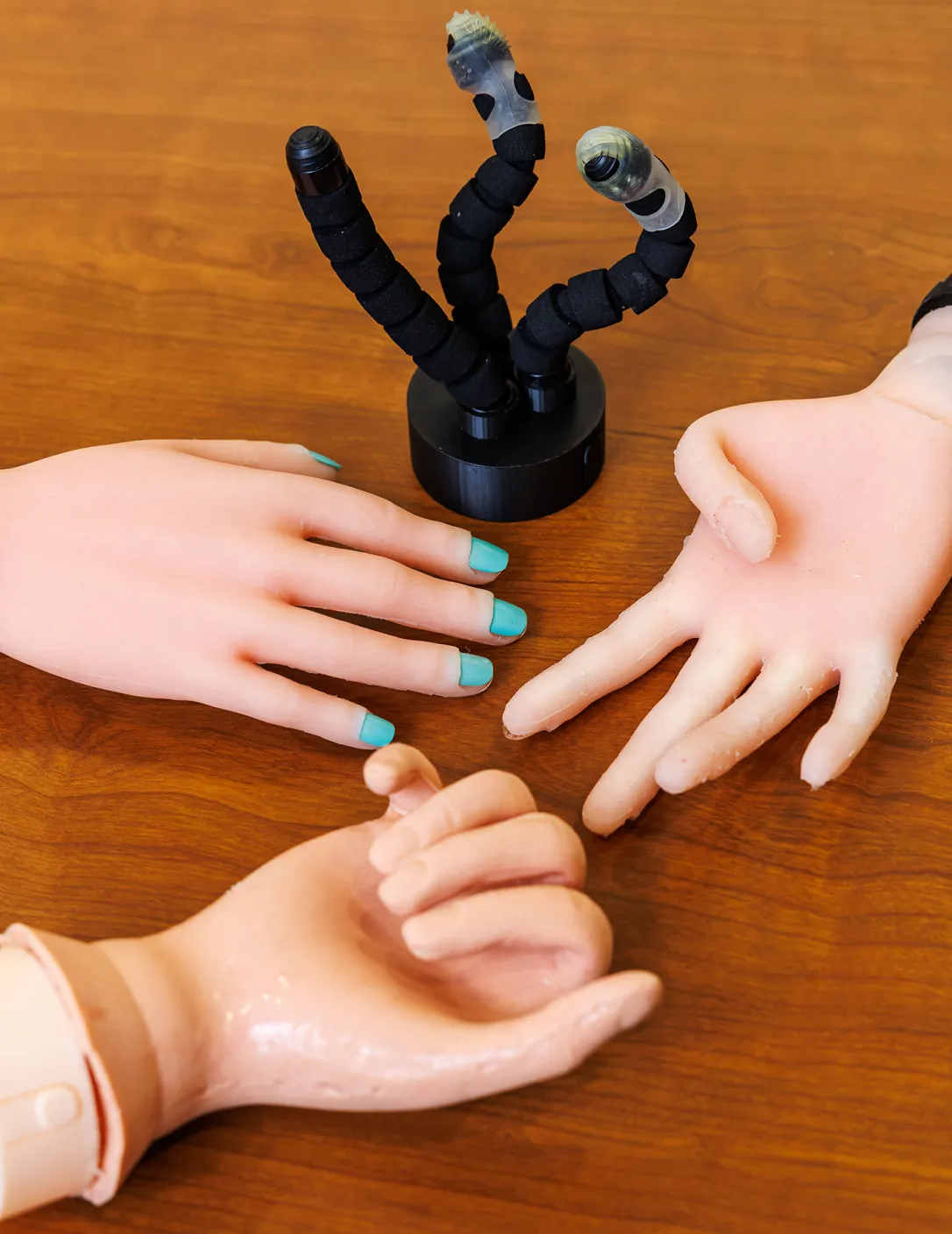
Six Hands, Six Purposes: Yale’s 3D Printed Prosthetic Set
A graduate student at Yale’s School of Engineering & Applied Science has 3D printed a set of six custom hand prosthetics for a woman born with only one hand, at a cost of a few hundred dollars, a fraction of the $70,000 price of the last device she was fitted with. The prosthetics were designed…
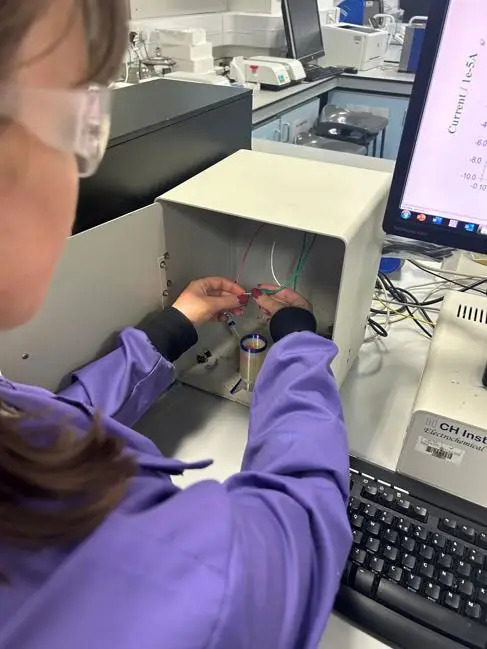
Low-cost 3D printed sensors could widen access to diagnostics
A team at the University of Brighton is building a new class of inexpensive, environmentally conscious medical sensors that aim to make testing cheaper and more widely available. Over the past three years, researchers under Professor Bhavik Patel have reconsidered the fundamentals of how diagnostic sensors are designed and built. Rather than depending on intricate…
Printing Money Episode 40: 3DP/AM Deal Analysis and More with Matthias Schmidt-Lehr, AMPOWER
Welcome to Printing Money Episode 40. Matthias Schmidt-Lehr (AMPOWER, Executive Partner) joins Danny for this episode and we are very thankful to have him back. In Episode 40, Danny and Matthias approach markets and deals largely with AI in mind. AI is a huge enabler for the 3DP/AM industry, but in different ways for different parts of the industry. First, Danny and Matthias discuss the desktop 3DP/AM market with respect to industrial users and of course also with respect to AI. Then the discussion shifts upstream to industrial 3DP/AM applications of AI. Along the way, there are some very topical 3DP/AM deals and financings to reference. Finally, Danny and Matthias manage to exhaust the limits of AI, with respect to 3DP/AM deals anyway. So, they dive in for a few laps of more general deal analysis. Throughout this episode there are a lot of reference to past deals and episodes. Historical references are made to Backflip, Axial3D, Euler, Interspectral, Freeform, Seurat, VulcanForms,
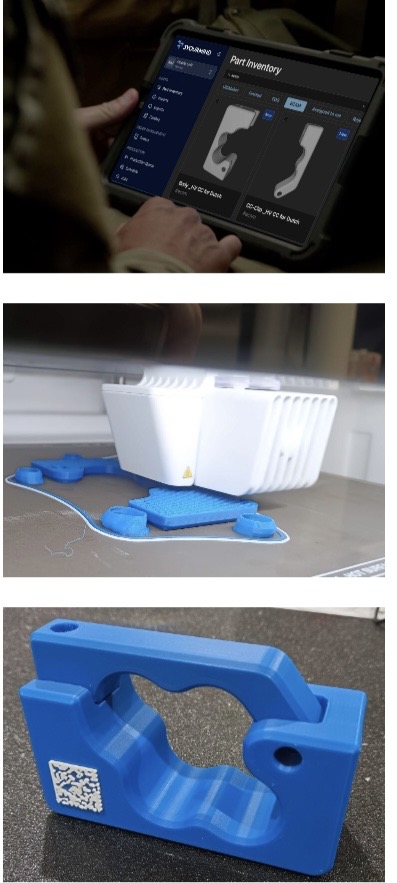
3YOURMIND Demonstrates that Distributed 3D Printing is Ready at AM Village 2026
Given that additive manufacturing (AM) is so closely adhering to the classic industrialization blueprint whereby military adoption pushes a new technology to commercialization, I’ve thought for a long time that much of the AM industry’s potential over the course of this decade will depend on how NATO can integrate AM capabilities across all of its member states. On that front, the progress so far has been pretty slow, but 3YOURMIND may have just demonstrated that this is about to change. The US-German software company has steadily refined its platform for years through work with leading AM original equipment manufacturers (OEMs), primarily EOS, and defense customers, most notably various branches of the US military, offering digital repository solutions like parts identification capabilities and distributed manufacturing workflow. 3YOURMIND just released an eBook based on the outcomes from its participation in AM Village 2026, the third iteration of the unique workshop put
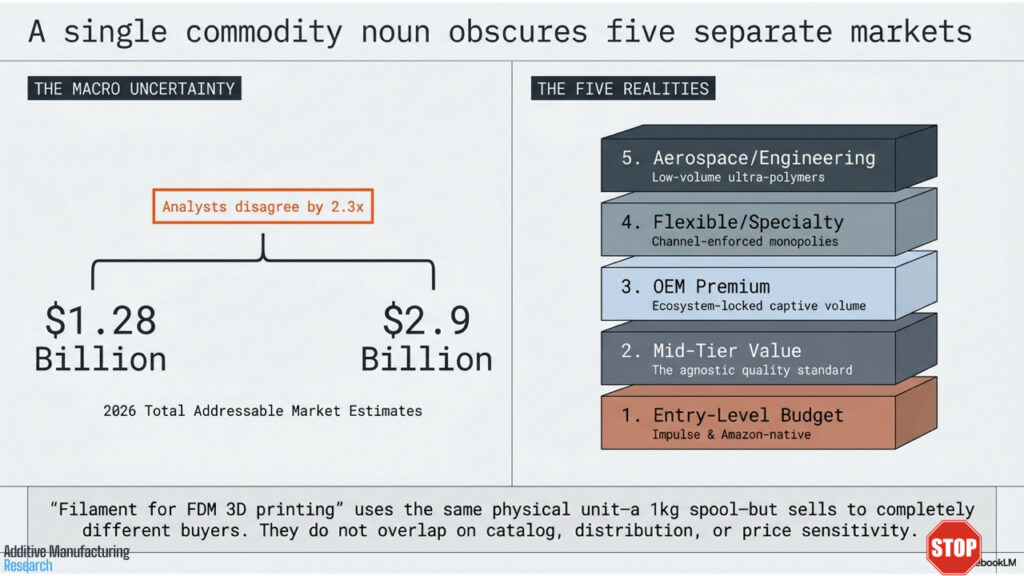
The State of the Desktop Filament Market 2026, Part 1: Facehugging AI
As many as ten million desktop 3D printers may be sold this year. This makes the desktop filament market potentially a significant business. I’ve interviewed key participants in this industry, users, and OEMs to develop a consolidated picture of the current market. I’ve made tables of major filament producers, compared pricing, and done analysis on the materials, prices, speed of delivery, marketing, resellers, and more. Then I used a stealth-mode deep-research AI business intelligence tool to index all pages of filament producers worldwide and all shop pages of 3D printer vendors. The tool indexed all forum mentions and blog posts, discussions, comments, and more about filament. This tool consolidated, analyzed, defined trends, and looked at the market as a whole. The research tool I’m using has capabilities way beyond publicly available LLMs, and delves much deeper into analysis and data. But this kind of capability is sure to become available more broadly. So I di
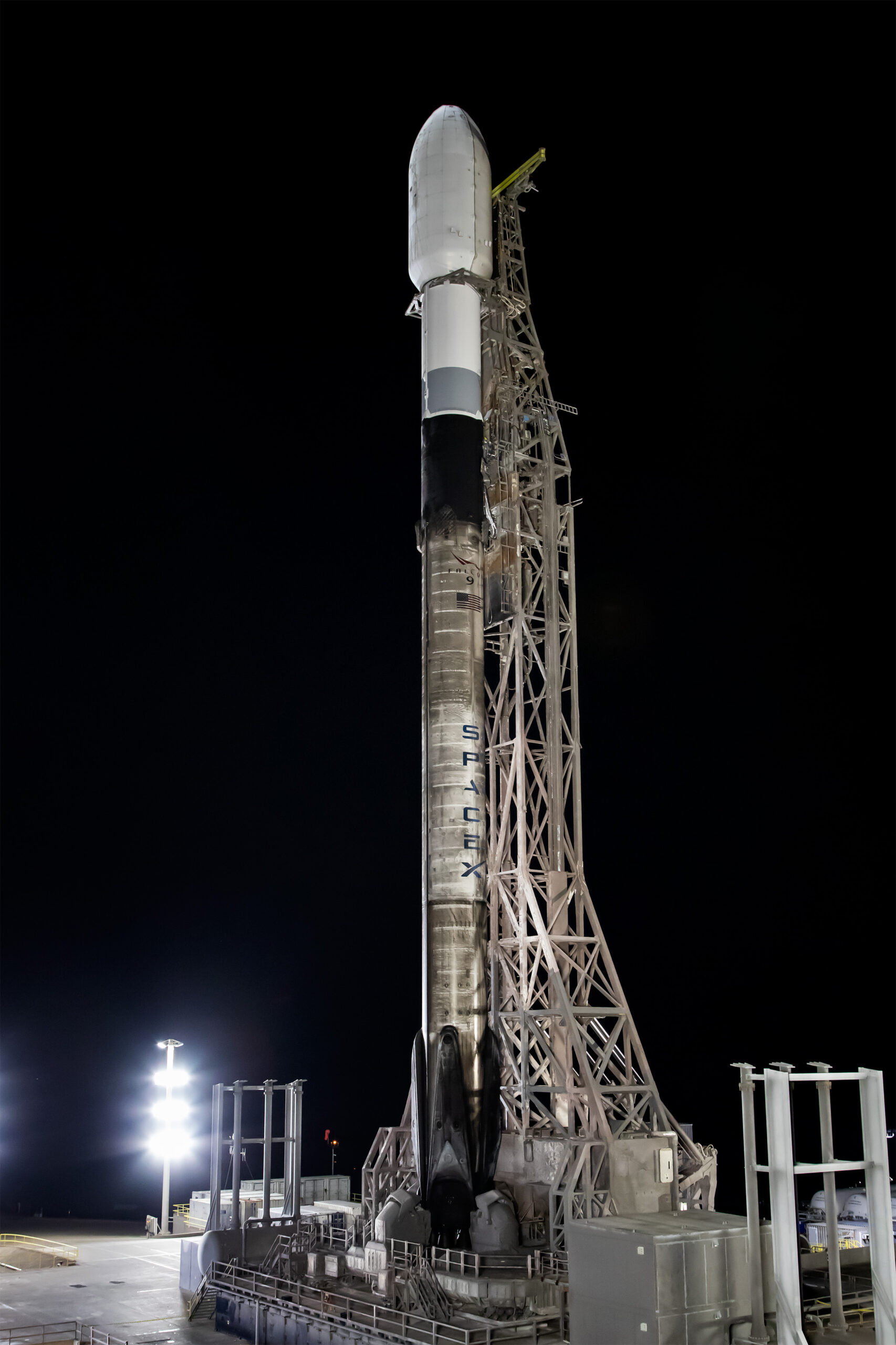
How the World’s Most Advanced Tech Companies Are Using 3D Printing
3D printing has been around for decades. For most of that time, it was a prototyping tool. Engineers used it to check if a design looked right before spending money on tooling. That changed. Today, 3D printing shows up in hospital operating rooms, on factory floors, inside rocket engines, and in consumer products that ship by the millions. The technology did not just get faster. Tolerances got tighter, materials got stronger, and the output became reliable enough to put into products that actually ship. Most industries use 3D printing for the obvious things. Faster prototypes, cheaper tooling, replacement parts. That is useful. But the companies at the front of the field are doing something different. They are using the technology to create products and systems that would be difficult, or even impossible, to make using conventional methods. Here is how some of the world’s most advanced companies are actually using it. SpaceX and NASA: 3D Printing a Base on Mars SpaceX builds
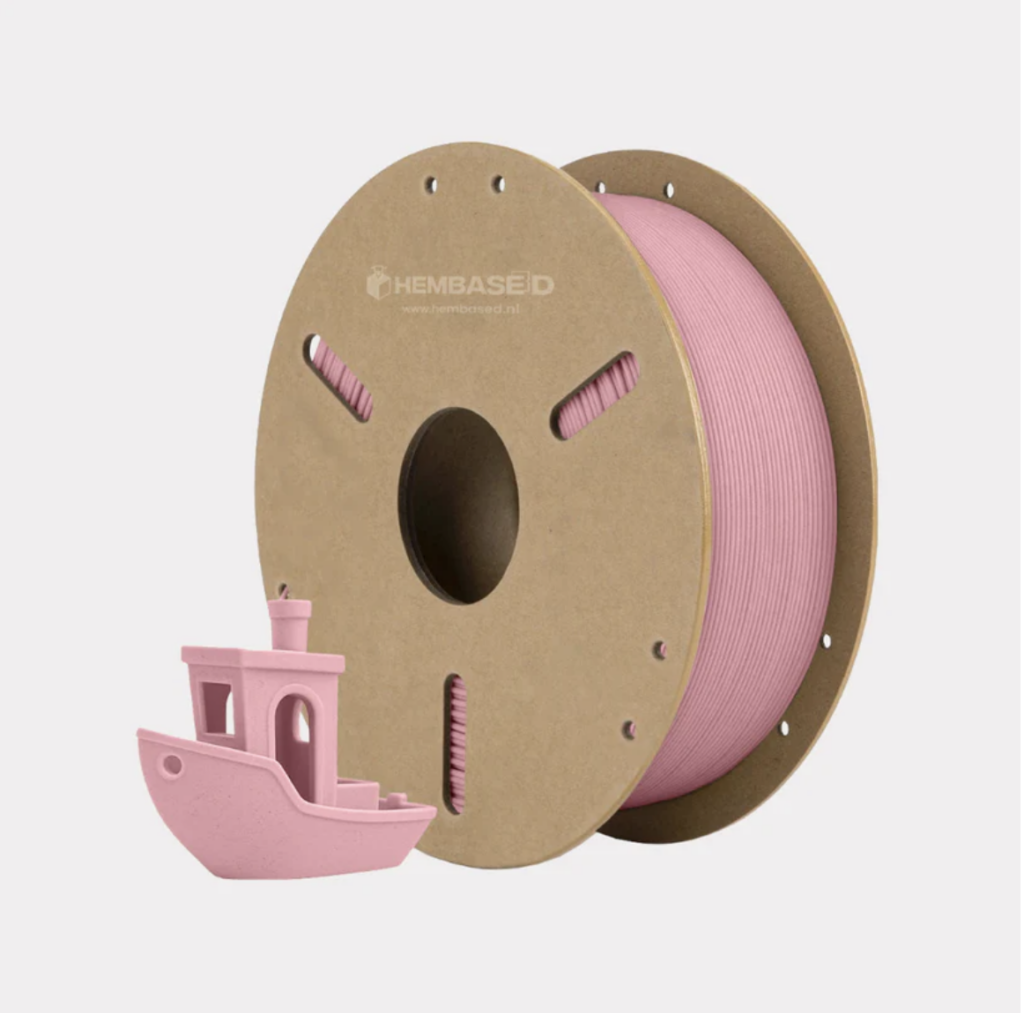
Hembased Launches Cold Compostable 3D Printing Filament Made Out of Palm Leaves
Dutch firm Hembased is launching a cold compostable filament. Cold compostable means that the material should return completely to nature in a regular compost bin that you may already have in your home. This contrasts with industrially compostable materials, which are meant to break down in heated industrial composting sites. Cold compostable materials must degrade within a year in temperatures between 20-30°C. They must also not leave anything harmful behind and theoretically should compost in the soil. ColorFabb´s allPHA has led the way in compostable, actually sustainable biomaterials for 3D printing. Companies such as Regen filaments have followed suit. Usually PHA is used, which can be made from agricultural waste or byproducts. PHA turns into water, biomass, and Co2. PHA prints well, albeit very differently than other materials, and has higher Continuous Service Temperatures than many other materials. In this case, the material has been made from a palm leaf byproduct. The comp
3D Printing News Briefs, July 18, 2026: Patent, Concrete, Steel Components, & More
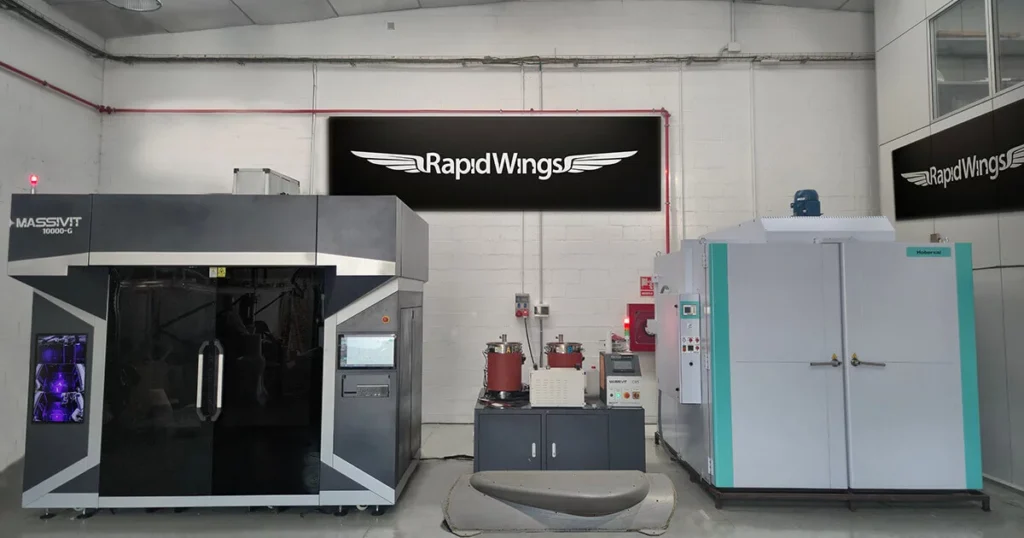
In this weekend’s 3D Printing News Briefs, Massivit has opened its first European Service Center to support its RapidWings platform, and nScrypt was granted a patent for its high-viscosity material dispensing technology. Titan America launched a commercial concrete product line for automated construction, and Empa researchers are investigating how to use 3D printing to extend the service life of steel components. Massivit Announces Opening of First Europe-Based RapidWings Service Center Recently, as part of its increased focus on aerospace and defense, Massivit announced the launch of its RapidWings turnkey composite manufacturing platform. Now, the company has opened its first Europe-based Service Center to support RapidWings. The Service Center, located in Barcelona, Spain, functions under Massivit’s Europe entity, and will produce and deliver on-demand tooling for aerospace and defense manufacturers. The heart of the center is Massivit’s Cast In Motion (CIM) digi
A new silicone lets 3D printers turn out custom-fit contact lenses
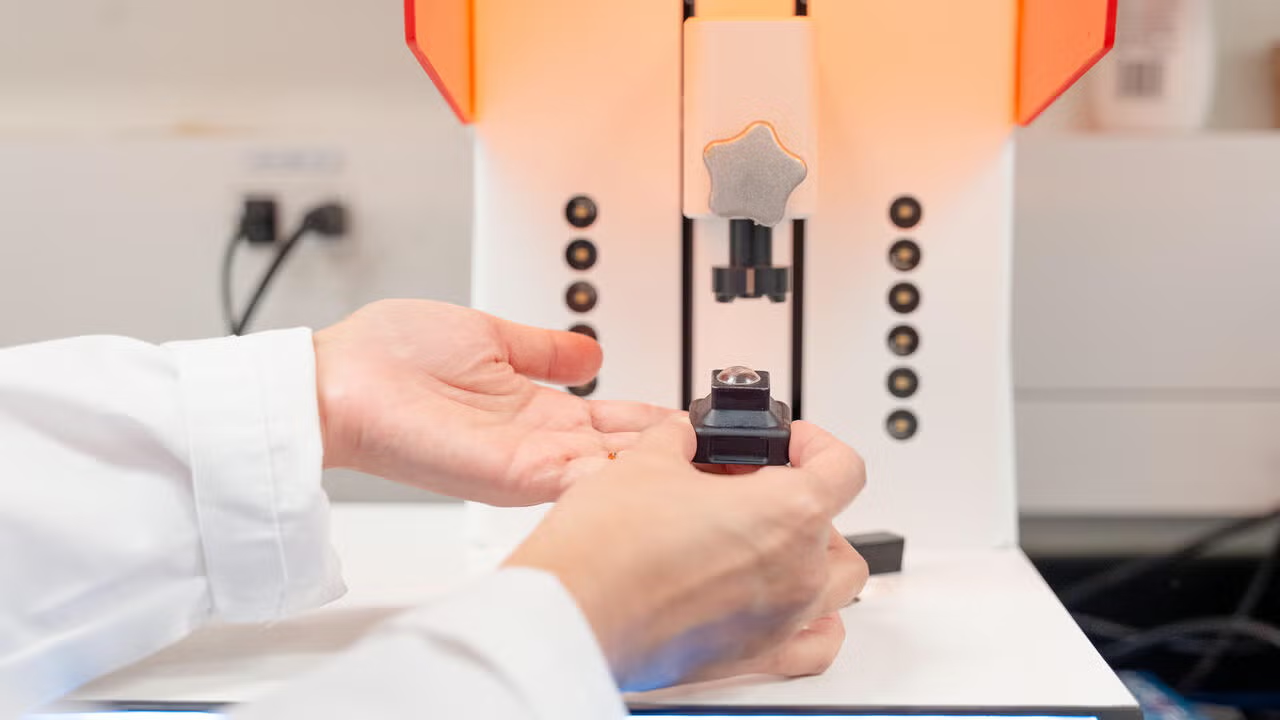
A team at the University of Waterloo has built a digital manufacturing system that prints custom contact lenses in roughly 20 minutes, raising the prospect that a patient could be measured, have a lens designed, and walk out wearing it after one clinic visit. The approach pairs a purpose-built silicone material with additive manufacturing, and…
Concordia researchers use 4D printing of composites to produce wind turbine blades on flat molds
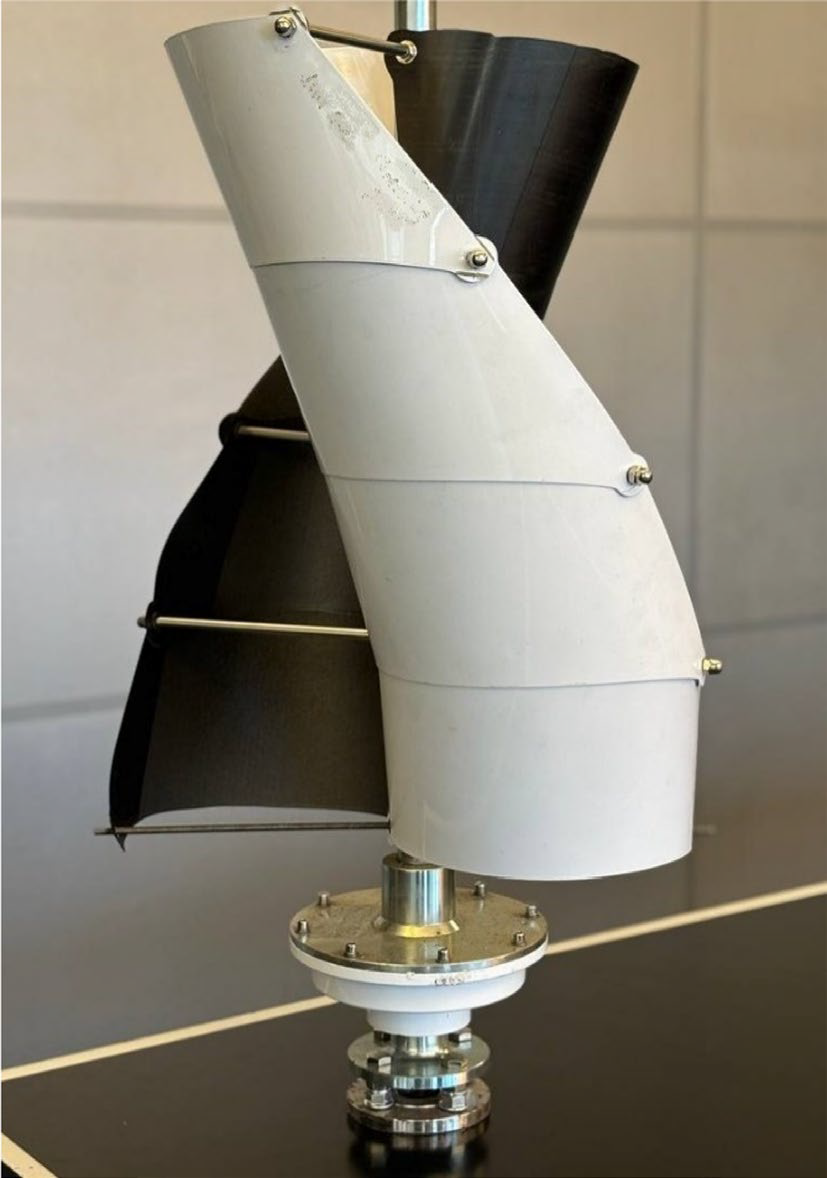
Researchers at Concordia University have developed an inverse 4D printing of composites method for producing curved vertical-axis wind turbine blades from carbon fiber-reinforced epoxy. The process forms the blades on a flat mold, removing the need for tooling that matches the final curved geometry. The method, detailed in Polymer Composites by Emad Fakhimi and Suong…

SWISSto12 Raises $70M to keep pace with multi-orbit demand
Swiss satellite and payload maker SWISSto12 has closed a $70 million (€61 million) Series C, funding it says will expand manufacturing as orders climb across commercial and government customers.  The Series C lands after a stretch of steep revenue gains. SWISSto12 reported $140 million (€121 million) in 2025 revenue, and its cumulative contract value has…
MIT optimizes concrete 3D printing for manufacturability
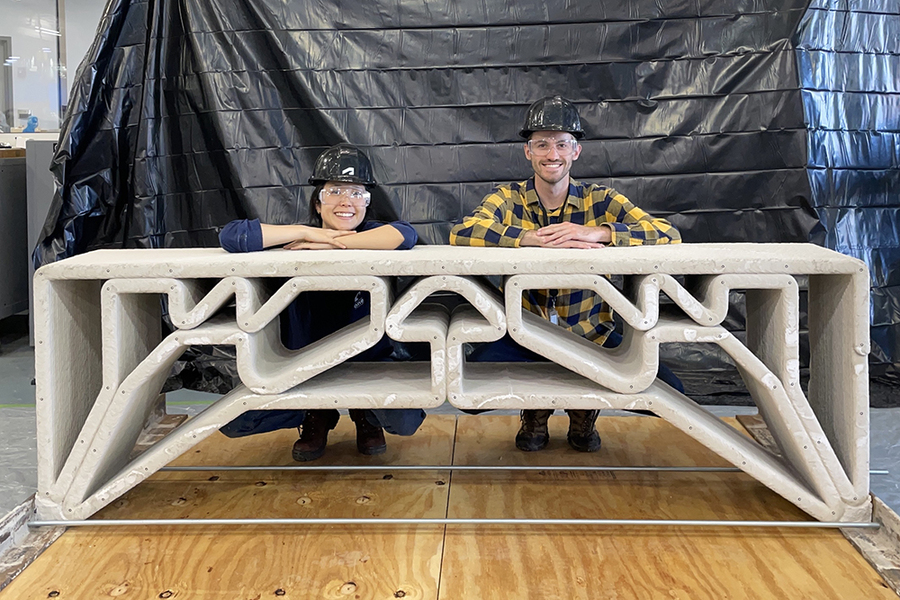
Researchers at MIT have developed a design framework that optimizes concrete structures while accounting for the physical limits of 3D printers. The research also reveals that printer hardware, not concrete, is the key bottleneck to achieving lighter structures. Concrete is the world’s most-used construction material and one of the single largest sources of carbon emissions.…

Why Beam Control Could Redefine the Future of EB-PBF
In Part 1, Ulf Lindhe examined how advances in beam control, point melting strategies, and process monitoring are changing the way engineers think about electron beam powder bed fusion (EB-PBF). In Part 2, he looks at what those developments mean for industrial users, difficult materials, qualification, and the future role of EB-PBF in metal additive manufacturing. The laser installed base shapes the discussion Laser Powder Bed Fusion (L-PBF) deserves respect. It is advancing fast, and many of its recent advances are impressive. Multi-laser architectures, higher power, beam shaping, automation, and monitoring are changing what laser systems can do and are a clear reminder that the laser side is expanding its production logic through scale, parallelization, and cost-reduction engineering. The larger installed base of L-PBF does more than create market share. It shapes how people imagine metal AM. It influences what users expect from surface finish, material portfolios, support strateg

The New Dental Lab: “Three Technicians Can Handle a Hundred Arches,” Says Digital Dentistry Expert Josh Jakson
Josh Jakson’s path into digital dentistry started long before he had a job title. He grew up around it. His father, a Polish immigrant, started the family’s dental laboratory in Buffalo, New York, about 30 years ago. Before that, Jakson’s grandfather had worked as an engineer in Poland and later in the U.S. automotive industry. That technical mindset helped shape the family business from the start. “My dad’s interest in the industry was always about helping people smile,” Jakson told 3DPrint.com. “But our family also came from an engineering background, so dentistry in our house was always connected to manufacturing, materials, and understanding how things were actually made. That really became the foundation of our dental lab from the beginning.” Joshua Jakson. Before starting the lab, Jakson’s father originally wanted to become a dentist. But his grandfather encouraged him to first learn the technical side of the industry and understand how dental prosthetics were actually made. I
Zaha Hadid Architects Print 6M Model with WASP’s Robotic Arm Solutions
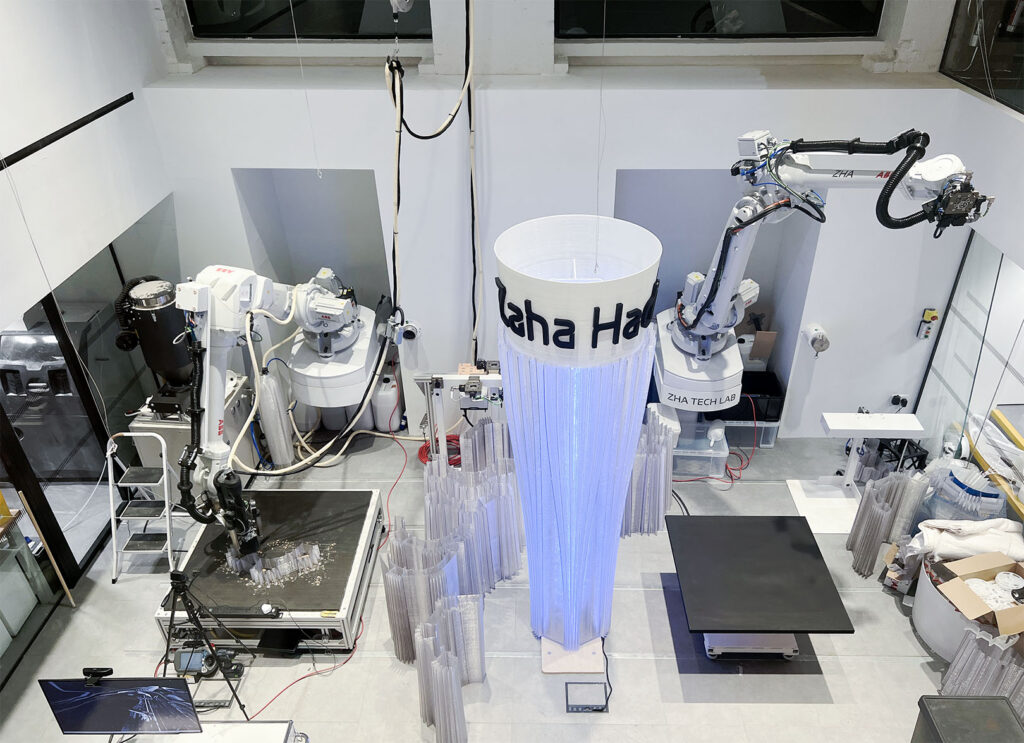
Zaha Hadid Architects (ZHA) have successfully used WASP 3D printers to make a 6-meter-tall model of an aircraft control tower. Zaha Hadid Architects’ Tech Lab made the tower in-house for the ZHAviation booth at Passenger Terminal Expo 2026. The design was created by ZHA and made out of PETG. The company used a WASP HDP XL Extruder. The model is not made out of one single piece, but out of 15 panels. The hefty panels measure 1 x 1 meter and took 270 hours to make. A fire-resistant PETG was used so that the model could go to the trade show. The panel has LED lamps inside to make it pop. It’s not made of 3D printed parts alone, but the panels are mounted on a kind of metal truss structure. The whole thing was designed to be portable so it can be taken to other exhibitions. The Tech Lab now has two robots using the CEREBRO system, and both can work on parts simultaneously. ZHA was the place where the founders of AIbuild worked before starting their company. So it’s poignant
Solukon launches SPR-Pathfinder PRO for complex LPBF depowdering simulation
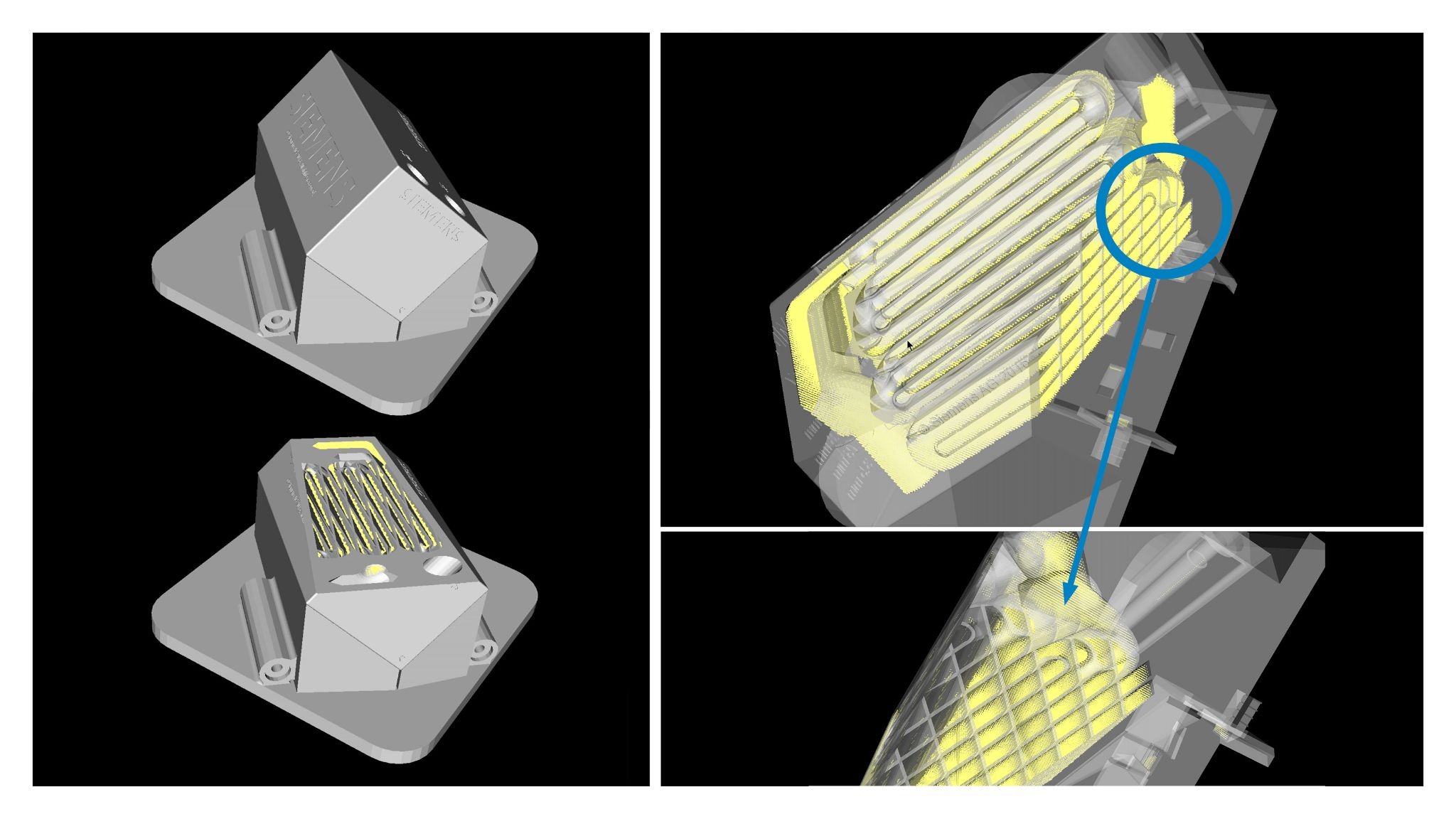
Solukon, a German manufacturer of automated depowdering systems, has launched SPR-Pathfinder PRO, an upgraded software package for planning and simulating powder removal from complex laser powder bed fusion parts. The software is intended particularly for components with fine internal channels and densely packed surfaces. The PRO edition removes the previous voxel limit, increases the particle-simulation…
Additive Manufacturing at a Crossroads
Additive manufacturing is at a crossroads. Simultaneously, we find ourselves between certain very different modalities, applications, and industries. Rather than being able to explore them all, companies will now have to specialize, focus, and concentrate their efforts to win outsized opportunities. Success will be more explosively rewarded but will be more difficult to achieve. Three Phases We can divide the history of additive manufacturing into several chapters. Initially, in the invention phase (1984 to 2009), several firms such as 3D Systems, DTM, EOS, and Stratasys commercialized their own technologies, focusing on that technology silo and those applications that would work with their machines. Later, from 2010 to 2025, the Hype phase saw an influx of VC, corporate, and SPAC money into the market. Pitchmen made inordinate promises about a Revolution afoot, which saw inflated expectations. Free-flowing money washed over everyone, strengthening those with the best promises and bes

3D Printing News Briefs, July 16, 2026: Russell Indexes, Car Customization, & More
We’ve got a lot to cover in today’s 3D Printing News Briefs, from business and additive manufacturing (AM) in Europe to automotive 3D printing, and generative design. Read on for all the details! Velo3D Added as Member to Russell 3000 Index & Russell Microcap Index Metal AM firm Velo3D announced that it’s been added to the membership of the broad-market Russell 3000® Index and the Russell Microcap® Index. This was effective when the U.S. market opened on June 29th, as part of the first 2026 Russell indexes reconstitution. These indexes are designed to reflect the shifting U.S. equity market, often used by investment bankers and institutional investors as benchmarks for active investment strategies. The reconstitution process is important to maintaining accurate representation. The June reconstitution captures up to the 4,000 largest U.S. stocks as of April 30th, 2026, and ranks them by total market capitalization. Companies are re-evaluated to determine where they s
AM’s Measured Growth Signals a More Mature Industry
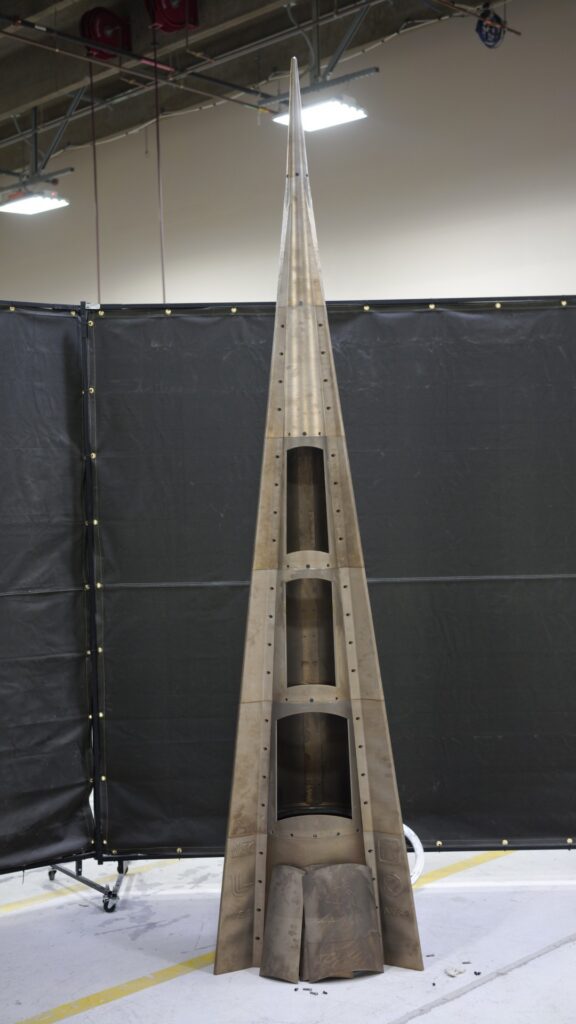
The AM market is projected to reach $20.3 billion by 2030, but growth is shifting toward proven applications, production value, and disciplined investment. In 2025, the additive manufacturing market’s growth appeared increasingly tied to applications with clear production value, especially across aerospace, defense, medical, and industrial use cases. This shift reflects a broader trend across the industry as investment and adoption become more focused on proven applications and measurable outcomes. Aires Tide will be one of the featured exhibits in the AMT Emerging Technology Center (IMTS booth #236700). From Sandia National Laboratories as part of the U.S. Department of Energy’s Genesis Mission, Aires Tide demonstrates how AI, advanced engineering, and additive manufacturing can dramatically accelerate the development and testing of next-generation aerospace systems. Venture capital funding, mergers and acquisitions, and public market investments throughout the year suggest the AM
NASA Funds Phase3D Research Project to Advance In-Situ Monitoring for Metal AM
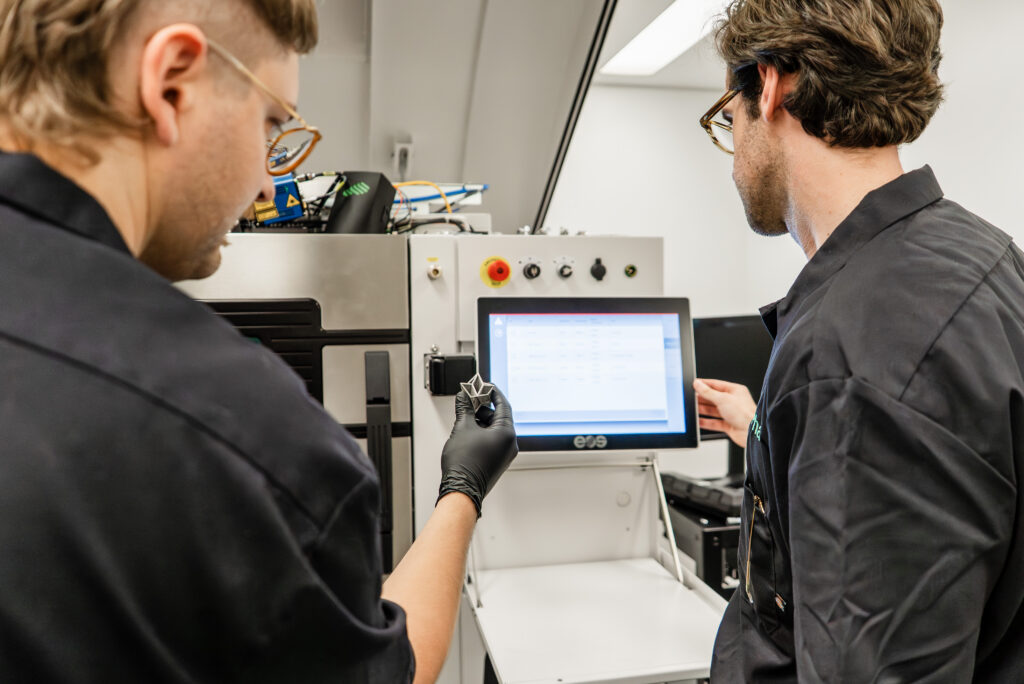
Garbage in, garbage out: that cliche is currently associated most often with AI, but it really refers to the universal principle whereby a final outcome is only as useful as the quality of the data that led to it. The principle is highly relevant to any emerging technological field, with the potential for future progress being disproportionately dependent on the validity of the relatively scant existing information that’s available. The ‘new space’ industry is a perfect example of a context in which stakeholders have to remain particularly cognizant of the rule of ‘garbage in, garbage out,’ and so is metal additive manufacturing (AM). Phase3D, the Chicago-based provider of both hardware and software solutions for metal AM in-situ monitoring (ISM), will be addressing the need for quality data in both new space and powder bed fusion (PBF) thanks to its latest contract award from NASA. Via the grant, Phase3D will partner with an unnamed aerospace and propul

Print Your Own Gear: Inside the Insta360 × Bambu Lab Luna Ultra Challenge
Insta360 and Bambu Lab’s MakerWorld have teamed up on the Luna Ultra Design Challenge, a global call for makers, designers, and creators to dream up fresh accessories, mods, and concepts for the Luna Ultra, Insta360’s flagship dual-lens 8K gimbal camera. The competition puts more than US$11,000 in prizes on the table, giving entrants a chance…

SkyDefense Unveils CobraJet, a 3D Printed VTOL Interceptor
Colorado-based defense company SkyDefense has introduced CobraJet, an AI-controlled vertical takeoff and landing (VTOL) aircraft designed to detect, identify, track, and destroy hostile drones at speed. The autonomous multirole jet targets the growing threat that unmanned systems pose to critical infrastructure, borders, airports, military bases, and public venues. Inside the CobraJet Lineup The aircraft comes…
EPFL’s 3D Printed Elastomer Resists Both Fracture and Fatigue
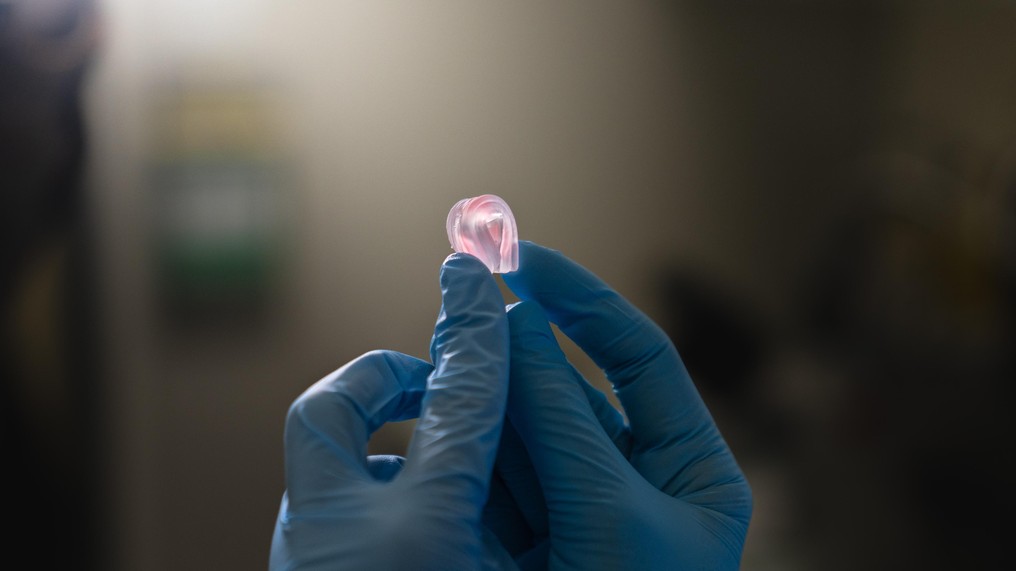
A new study in Science Advances finds that a rubbery material first engineered for 3D printing may resolve a problem that has long dogged materials science: producing printable elastomers that are simultaneously tough and durable.  Researchers at EPFL’s Soft Materials Laboratory (SMaL) report that the same architecture giving their double network granular elastomers (DNGEs) exceptional…
SWISSto12 Closes $70 Million Series C Round
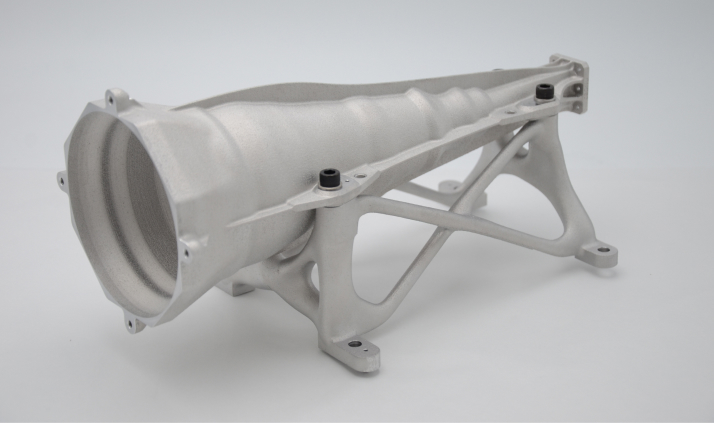
Swiss satellite manufacturer SWISSto12 has closed a $70 million Series C round. This follows $84.8 million that the company received from ESA and ESA member states, and previous rounds that were around $22 and $30 million. SWISSto12 seems to have spent the money they have gotten wisely, saying that revenue grew to $140 million and that they have $500 million in back orders, with the company aiming to go profitable this year. I’ve been more than a little bit obsessed with SWISSto12, which has parlayed 3D printing prowess in RF components into a role as a satellite builder. Then the firm grew into providing sovereign communications solutions for nations wishing to have their own capabilities. In a more fractious world where the US is withdrawing from allies, this seems like an excellent approach. There are few things that make more sense for 3D printing than RF components, with the advantage in mass, part reduction, assembly, and performance being compounded by backlogs in produc
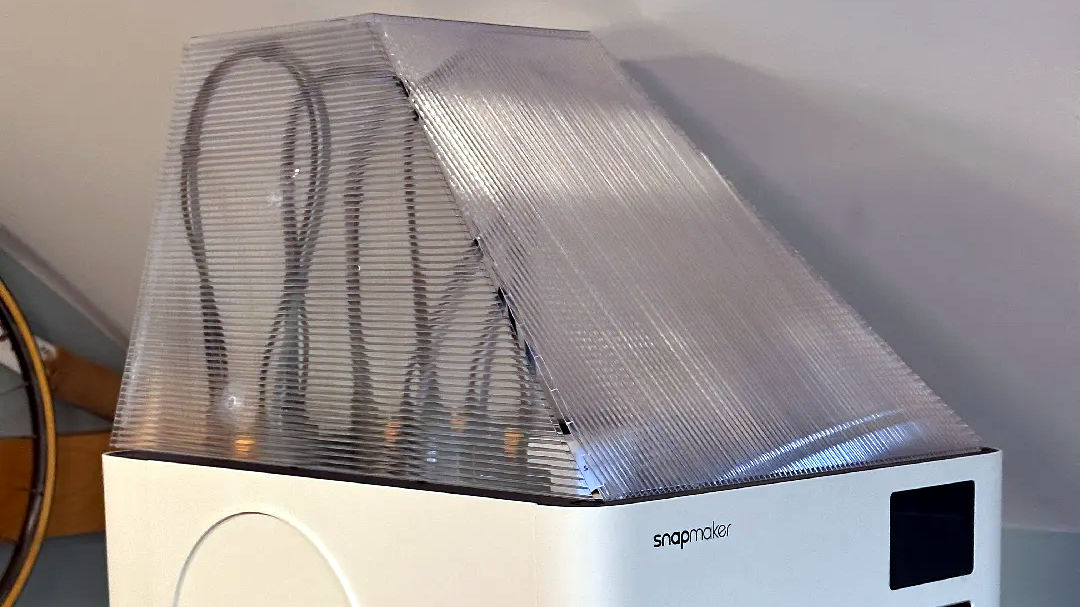
Cut And Fold Your 3D Printer’s Next Cover
[cmh]’s ultra-simple top cover for the Snapmaker U1 3D printer has a 3D model, but don’t let that fool you. There’s no 3D printing at all involved in this project. Rather, the model is a reference shape for making an effective top cover out of cardboard or corrugated plastic sheet (also known as Coroplast) which is what [cmh] used. The pattern can be cut from a single sheet, or from multiple pieces taped together. Corrugated plastic is a versatile option for things like printer enclosures. It’s cheap, a good insulator, easy to cut, and available from just about any plastics supplier. We’ve made the case that they’re a good alternative to acrylic sheets for printer enclosures, but [cmh] goes even further with a design that requires no additional hardware whatsoever. Assembly doesn’t even require more than tape, really. He provides a cutout diagram for pieces that, when assembled, make a sort of hat that is just right to cover the top of the Sn
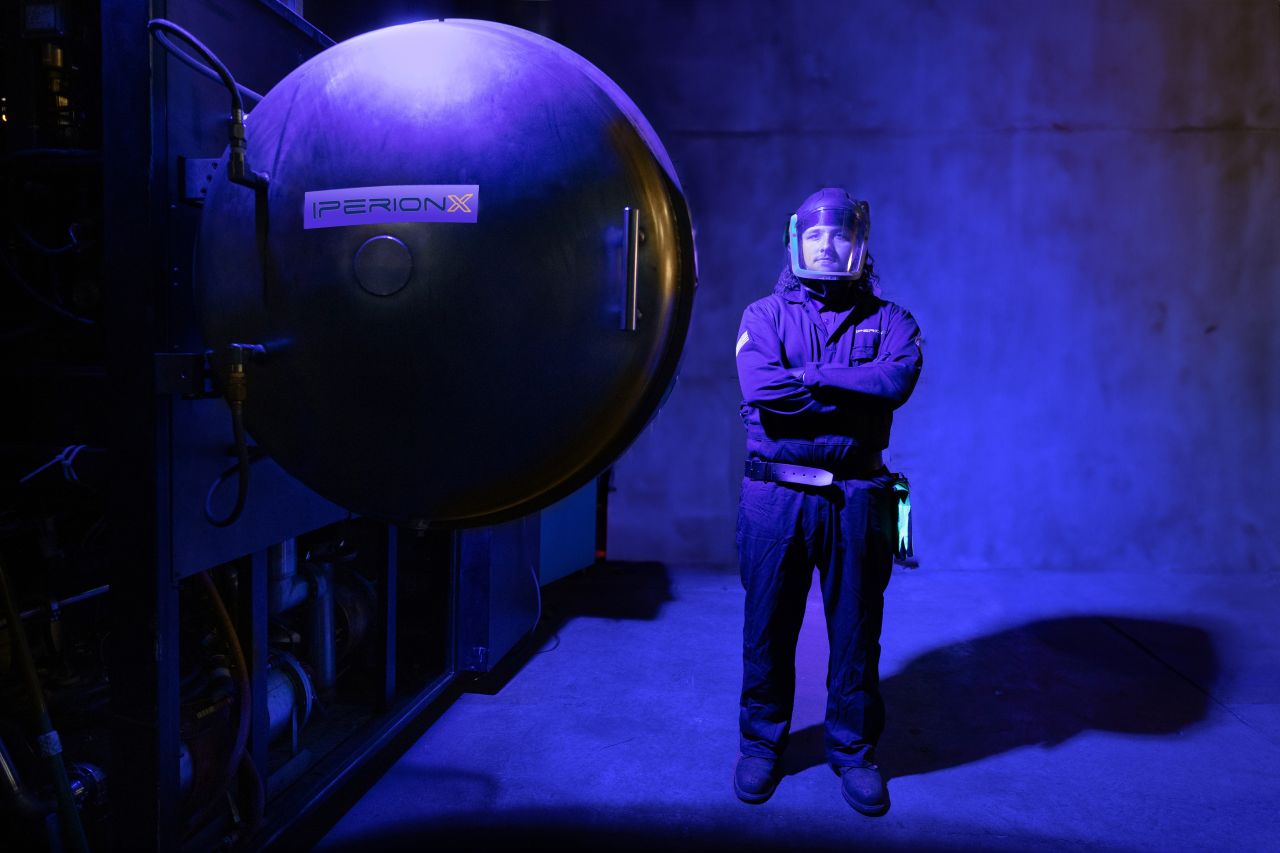
IperionX Raises $50 Million to Expand U.S. Titanium Production
IperionX has raised about $50 million through a public offering to speed up the commercial rollout of its U.S. titanium manufacturing business. The company sold 2.275 million shares at $21.98 each. It plans to use the funding to expand production in Virginia, continue developing its titanium project in Tennessee, and support research into its low-carbon titanium technologies. Cantor Fitzgerald served as the lead manager for the offering, with Roth Capital Partners and B. Riley Securities acting as co-managers. The firm has recently been involved in several advanced manufacturing financings, including Velo3D’s $50 million public offering earlier this year and Elmet Group’s initial public offering. Rather than using the proceeds for acquisitions or debt repayment, IperionX said it will invest directly in expanding its manufacturing business. The company plans to increase production capacity at its Titanium Manufacturing Campus in Virginia, while also continuing development
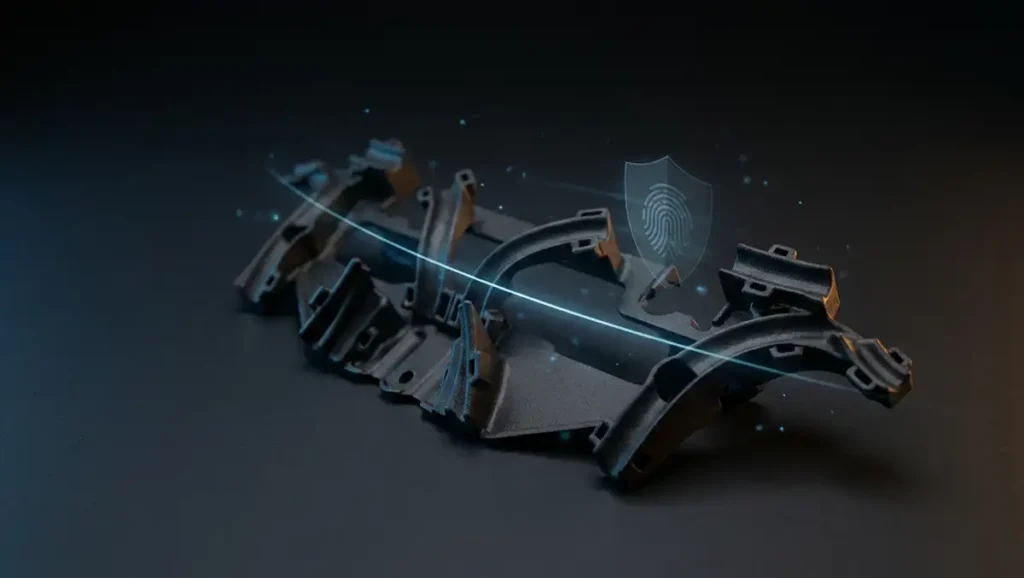
CRP UniqTrust System Helps to Identify Authentic 3D Printed Parts
Modena-based CRP, a CNC and 3D printing service to some exacting customers as well as a material vendor, has been an incredible innovator for many years. Whether it is creating 3D printed parts for the bridge manufacturing of sports cars, developing cutting-edge powder materials, or delivering on innovative parts, the firm has always looked ahead. Now it wants to assign a unique market to 3D printed parts with the launch of CRP UniqTrust, a new digital traceability system. Franco Cevolini, CEO of CRP Group, says, “For over fifty-five years, we have been manufacturing components for those who cannot afford margins of error. CRP UniqTrust is the natural evolution of this culture: it is no longer enough for a part to be expertly made — it must be able to prove its own identity and conformity at any point in its life cycle.” For parts made with CRP’s Windform SLS 3D print service, you can verify authenticity, check when and out of what material a part has been made, and more throu